Thank you! Your reservation request has been sent.
We will contact you via email to confirm.
More about your visit
Please arrive 10 minutes before the booked time.
The tour will start punctually.
FOR assistance CALL +39 351 4395473
Guided tour and languages spoken
Guided tours and tastings are available in both Italian and English.
Duration of the guided tour and tasting
The duration of the visit and tasting is 90 minutes.
Admission and Wine Policy for Young Visitors
Children under the age of 12 are admitted free of charge, but guests under the age of 18 will not be served wine.
Please note that wines, vintages, and prices are subject to change based on availability.
FAQs
Merlot is a red wine grape variety primarily used to produce dry red wines. Known for its approachable style, Merlot wines often exhibit flavors of plum, black cherry, and chocolate, complemented by soft tannins.
Merlot is generally considered a dry wine. While its fruity flavors might lead some to perceive a hint of sweetness, Merlot wines typically have dry finishes, meaning the residual sugar content is minimal.
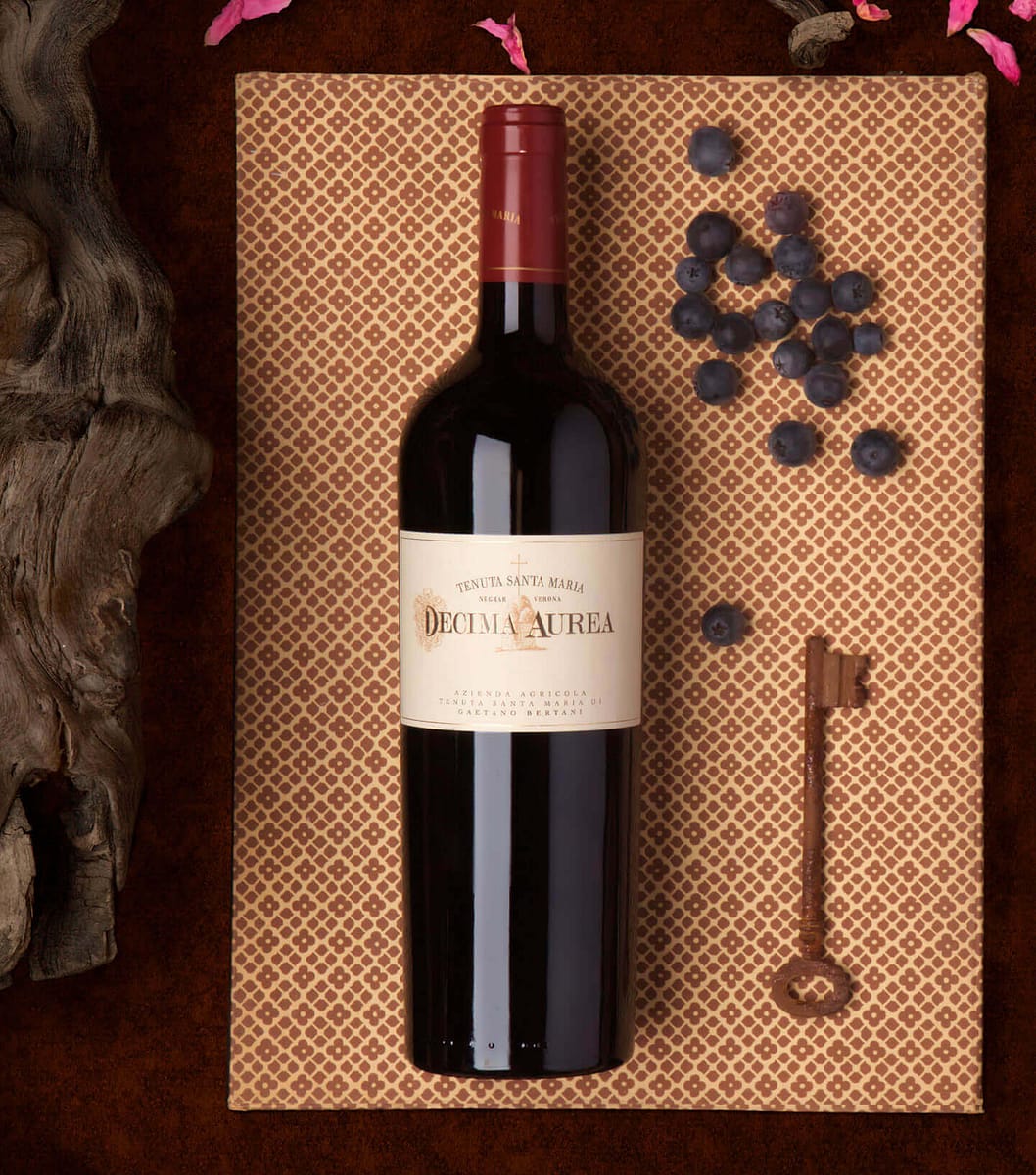
The price of a Merlot IGT varies greatly depending on the type, the winery and the vintage. Merlot is available in the trade, more or less valuable and more or less expensive. Decima Aurea costs 34 euros and is an extremely expressive and elegant wine.
Merlot’s reputation as a high-quality wine is well-deserved. Its smooth texture, complex flavors, and ability to age gracefully make it a favorite among wine enthusiasts. At Tenuta Santa Maria, we take pride in crafting exceptional Merlot wines that showcase the grape’s elegance and finesse.
Merlot Decima Aurea is a wine with a really important evolutionary potential. Ideally, it should be stored in a suitable place away from UV rays and heat sources. The ideal cellar temperature is 10 – 15 C°. The cork is made of cork and it is important that it maintains good elasticity by adhering to the inner surface of the neck of the bottle and preventing infiltration and excessive passage of air. For this reason it is important that the humidity level corresponds to a percentage of about 70%.
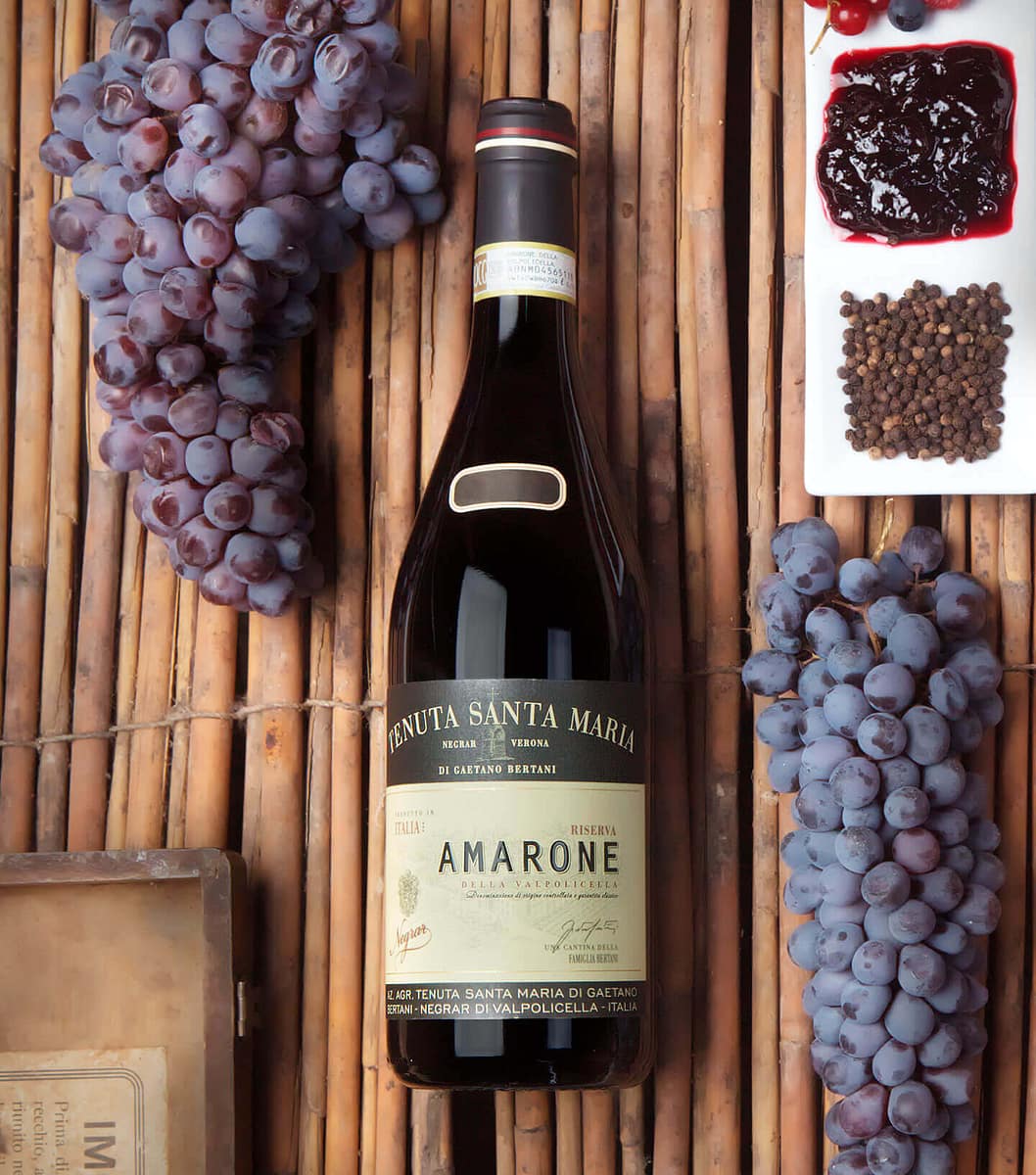
Amarone della Valpolicella is a rich, dry red wine from the Veneto region of Italy, produced primarily from Corvina, Corvinone and Rondinella grapes.
The main difference between Valpolicella Superiore and Amarone is the production process. Valpolicella Superiore is a wine aged at least one year and produced from fresh grapes. Amarone, on the other hand, is made from dried grapes and with the Riserva designation, is aged for at least four years in oak barrels. These characteristics make Amarone a more structured wine with a rich and intense aromatic profile to be paired with equally important culinary dishes, while Valpolicella Superiore is fresher and better suited to a wide range of pairings.
Amarone is unique for its production process, where grapes are dried for months using the traditional Appassimento method, concentrating their sugars and flavors, resulting in a wine with high alcohol content, intense aromas and complex flavors of dried fruit, spice, and chocolate
Despite its concentrated fruit flavors, Amarone is a dry red wine with high tannins and acidity, offering a balanced taste profile.
Valpolicella Superiore should be stored in a cool, dark place at a constant temperature between 12 and 16°C. The bottle should preferably be stored horizontally to keep the cap moist and thus prevent oxidation. It is also recommended to avoid excessive temperature changes that could compromise the quality of the wine. If stored properly, Valpolicella Superiore can age well over time, revealing considerable aromatic complexity.
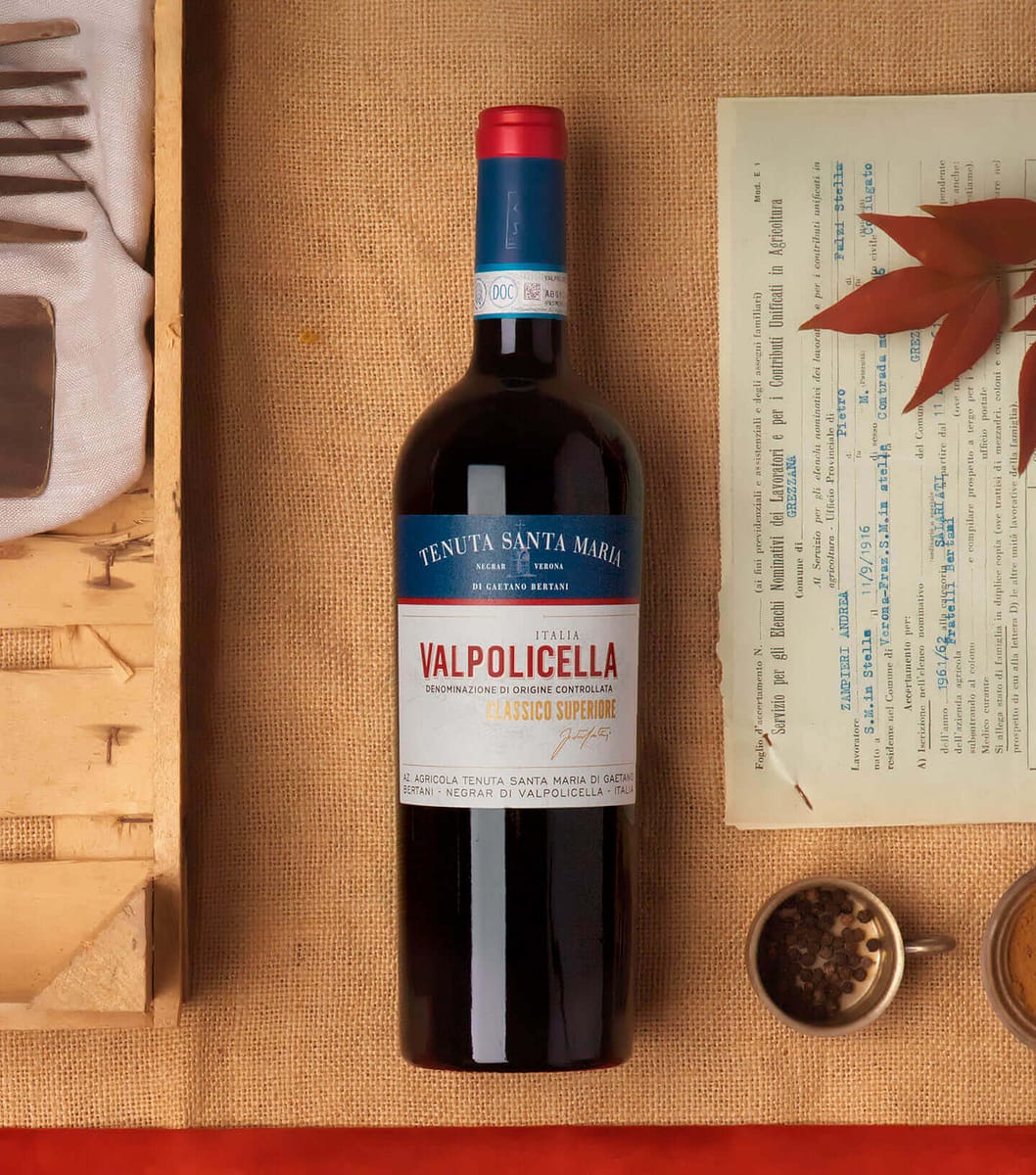
You can buy Valpolicella Superiore in many bars and restaurants in Verona and its province, as well as in the best online and offline wine shops. Valpolicella Classico Superiore DOC of Tenuta Santa Maria di Gaetano Bertani can also be bought in our online shop or at our wine shop, where you can have a personalised shopping experience and find the full selection of our wines.
There are several differences between Valpolicella and Pràgal.
Valpolicella, being a DOC (Denominazione di Origine Controllata) wine, follows strict production regulations that impose specific rules on grape varieties to be used, the area of origin of the grapes and wine-making techniques.
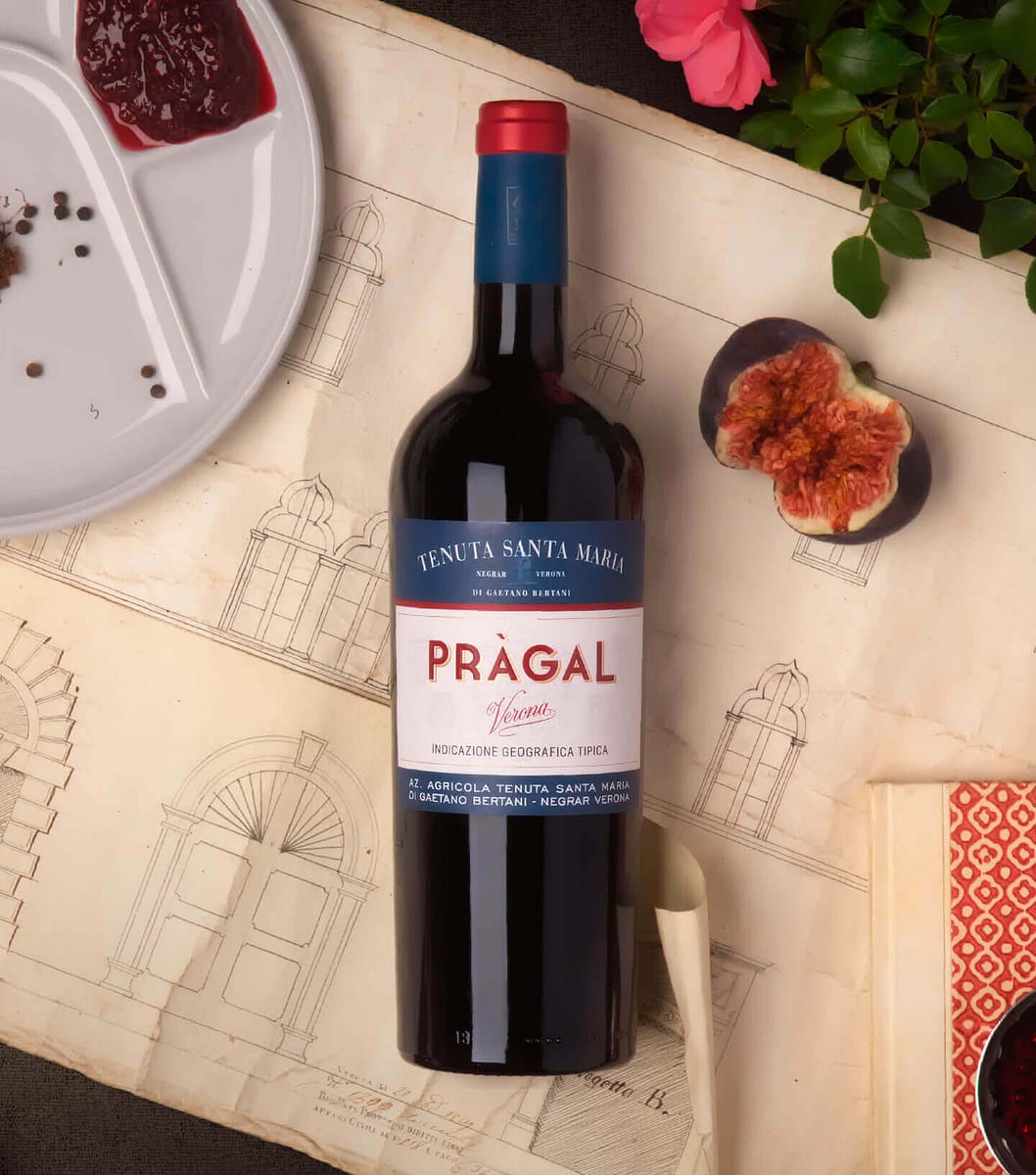
Pràgal, on the other hand, is a Veronese IGT red wine. Unlike the DOC and DOCG designations, IGT allows more flexibility, giving producers more freedom in the choice of grape varieties and production methods. Made from a blend of Corvina, Merlot and Syrah, the Pràgal blends local and international grape varieties, while the Valpolicella, composed of Corvina, Corvinone and Rondinella, represents the essence of our wine-growing region and its most famous grapes.
A wine can be defined as IGT (Indicazione Geografica Tipica) when it is made in a certain geographical area and satisfies specific requirements linked to its production area, such as the grape variety and vinification methods. To obtain this designation, the wine must be produced in a specific area, which can be a region, a province or a more restricted geographical location. Legislation stipulates that at least 85% of the grapes used to produce the wine must come from the declared geographical area. For example, all the grapes that compose our Pràgal are harvested from our vineyards, located in the province of Verona.
FIVI (Italian Federation of Independent Winemakers) is a non-profit organization, founded in 2008, that promotes and protects Italian independent winemakers, representing them in institutional settings.
Pràgal can be purchased in wine shops, both physical and online, as well as in the best restaurants of Verona and its province. Our Veronese IGT red wine is also available at our wine shop and in our online shop.
The FIVI logo, featuring the “Ampelio” symbol, identifies wines produced by independent winemakers who oversee the entire production process, ensuring quality, authenticity, and a connection to the territory.
Independent winemakers are producers who grow their own grapes, vinify them, bottle, and sell their wine under their own responsibility, managing every stage of production.
Ian D’Agata is an internationally acclaimed Italo-Canadian wine writer and educator. He is the founder and president of Ian D’Agata Wine Culture, one of China’s leading wine education platforms, which includes the Ian D’Agata Wine Review and the Ian D’Agata Wine Academy. Over his 30+ year career, he has served as editor at Stephen Tanzer’s International Wine Cellar, contributing editor at Decanter, and senior editor at Vinous. A passionate advocate for native grape varieties, Ian was inducted in 2015 into the prestigious Accademia della Vite e del Vino and is currently Vice President of the Association Internationale des Terroirs.
His publications include: Native Wine Grapes of Italy, Italy’s Native Wine Grape Terroirs, Italy’s Grapes and Wines: The Definitive Compendium Region by Region, The Ecco Guide to the Best Wines of Italy, and his most recent work, Barolo Terroir.
Vino100 is an international wine event curated and hosted by Ian D’Agata, featuring a hand-selected portfolio of 100 top Italian wineries. It is designed to showcase the diversity and excellence of Italian wine to a global audience.
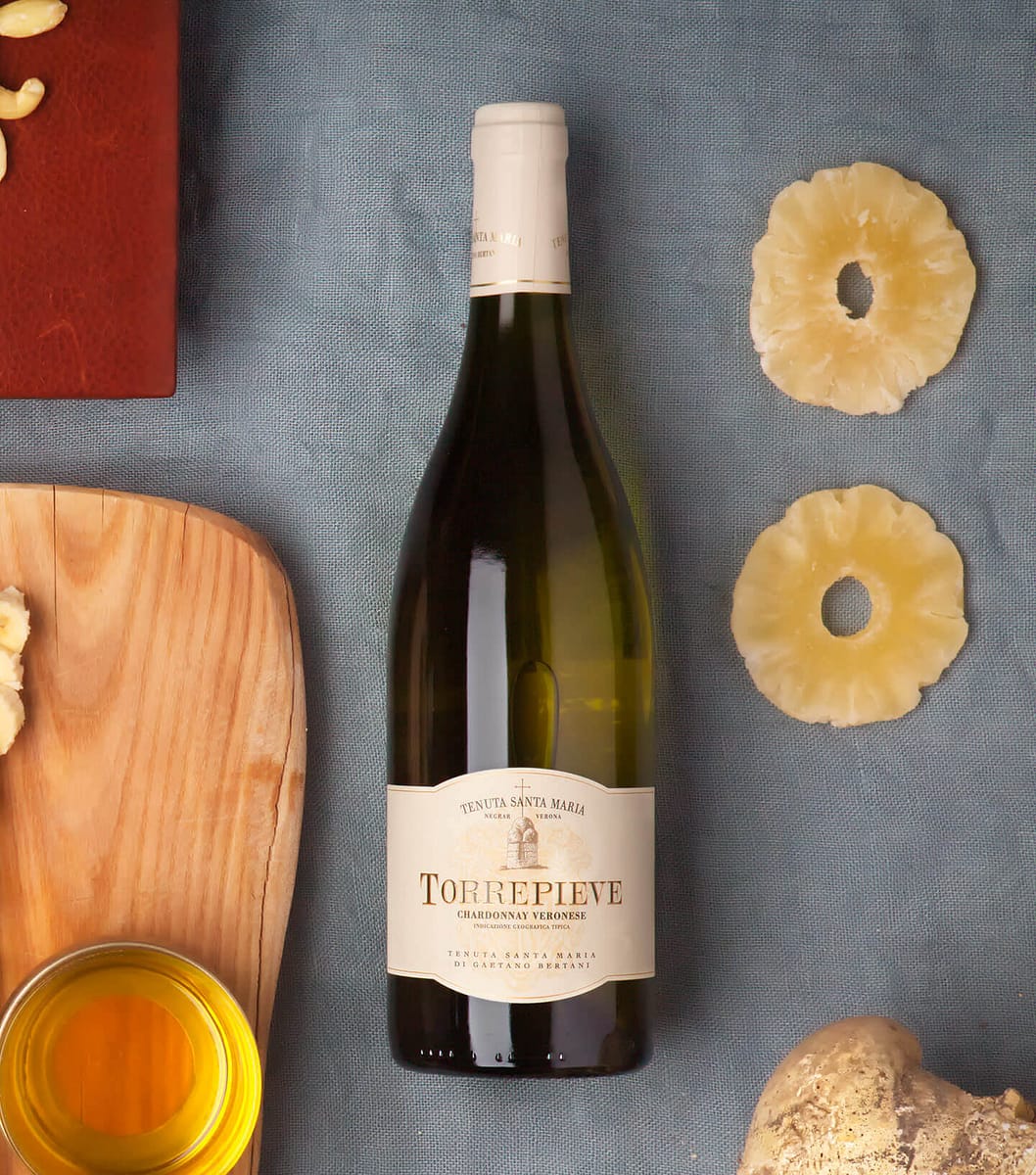
The Chardonnay grape is used to produce white wines. Depending on the vinification method used, one can obtain still white wines or classic method sparkling wines, such as the famous Champagne. Our Chardonnay is a still white wine and has a fuller structure than the average. This can be ascribed to the period of ageing in French oak barrels, to which half of the grapes are subjected.
Chardonnay is a white grape variety native to the Burgundy region of France. Highly appreciated for its versatility, it is now cultivated all over the world. TorrePieve Chardonnay from Tenuta Santa Maria di Gaetano Bertani was born from our ancestors’ passion for this wine. On our property in Colognola ai Colli, we have been cultivating for generations three particular clones of Chardonnay from Burgundy, whose grapes have been enriched over time with the characteristics of the local terroir.
Verona is a strategic and inspiring destination, easily accessible and rich in culture, history, and hospitality. Hosting a corporate event here allows companies to combine business with meaningful experiences in a unique Italian setting.
Chardonnay and Sauvignon Blanc are two of the best-known white wines in the world, their differences mainly concern style and method of production. Chardonnay is a wine of moderate acidity and medium body, which lends itself well to ageing. It can vary from pale yellow to golden and offers notes of apple, melon and white flowers on the nose. Sauvignon Blanc, on the other hand, has a pale yellow colour that can be more or less intense. It is a fresh wine with distinctive hints of herbs, which should preferably be appreciated young, within 1-2 years of harvest. We produce a pure Chardonnay with a crystal-clear pale yellow colour, with slight nuances tending to green.
Both originating in Burgundy and now famous throughout the world, Pinot and Chardonnay are different in terms of the type of grape and the characteristics of the wine made from the respective grapes.
Pinot is subdivided into: Pinot Noir (black berry), Pinot Grigio (grey berry, coppery in colour) and Pinot Blanc (white berry). Wines with very different characteristics are produced from each variety. From Pinot Bianco grapes, for example, come fresh wines with lively acidity and notes of apple, pear, lemon and white flowers.
Chardonnay, on the other hand, is a white grape variety that creates wines with aromas of tropical fruit and toasted vanilla. Depending on the technique used, it can have a very good ageing capacity, especially if refined in wood. Pinot and Chardonnay, given their complementary characteristics, are both used for the vinification of sparkling wines, guaranteeing a balanced structure and a rich bouquet.
Our TorrePieve Chardonnay combines the typical aromas of this vineyard with exotic scents of pineapple and banana as well as distinctive hints of citrus, hazelnuts and melted butter.
Valpolicella is a famous wine-growing area in the province of Verona, dedicated to the production of wine since the period of the ancient Romans. Situated on the same geographical parallel as Bordeaux, it is characterized by valleys with north-south orientation, significant differences in altitude and predominantly calcareous-marly soils. The proximity to the Lessini mountains and Lake Garda mitigates the climate of the region making winters less harsh and summers cooler. Valpolicella is divided into three geographical areas: Valpolicella Classica, Valpantena and Valpolicella Orientale. The Classica is the most historical area and includes the five municipalities of Marano di Valpolicella, Fumane, Negrar, Sant’Ambrogio di Valpolicella and San Pietro in Cariano. The territory of Valpantena, where we find the town of Grezzana, embraces the homonymous valley. Valpolicella Orientale includes some areas around Verona and a large territory east of the city, including the towns of Tregnago, Mezzane and Illasi.
Tenuta Santa Maria di Gaetano Bertani has three properties. The one located in Valpolicella Classica, in Arbizzano di Negrar, is historically dedicated to the cultivation of native Veronese grapes and the production of Amarone and Recioto.
The wine of Valpolicella is steeped in history and ancient oenological traditions.
The first traces of vine cultivation in this area date back to Roman times. Pliny the Elder, in his “Naturalis Historia”, described the native varieties of grapes grown in the region and Cato the Censor, in “De Agri Cultura”, highlighted the importance of the territory of Verona in wine production. In the Middle Ages, the influence of the Benedictine monks contributed to the development of wine-making techniques, further enriching the local oenological tradition. Starting from 1800, the Valpolicella region experienced a real wine revolution. New scientific discoveries, cultivation and production methods changed the concept of wines in the area. Among these techniques, guyot style of vine cultivation and controlled fermentation were pioneered by Giovanni and Gaetano Bertani who contributed to the production of the first dry wines of Valpolicella. During the ‘900 was made and perfected the “Recioto tipo Secco” a wine produced from dried grapes with a lower sugar content than that of traditional Recioto. The technique of producing of dry wine from dried grapes was refined over the years, making a same wine ferment up to five times. This particular process led to the creation of the iconic Amarone della Valpolicella.
Situated in Novare, one of the oldest wine location in the classic area, our Amarone cellar is the place where this famous traditional wine was born. You can find out more about the history of our Tenuta at this link.
Valpolicella is renowned for its wide range of high quality wines, each of which has distinctive features that reflect the region’s unique terroir and winegrowers’ mastery. Among these it’s the red wines in particular that stand out: Amarone della Valpolicella is the most renowned wine of the region, with its full body, intense ripe fruit and spiced aromas. Valpolicella Ripasso is made by using a specific process of double fermentation, and the Valpolicella Classico, fresh and fruity. The Recioto, which is a sweet wine, is able to express all the aromatic richness of the native grapes thanks to the traditional drying method used.
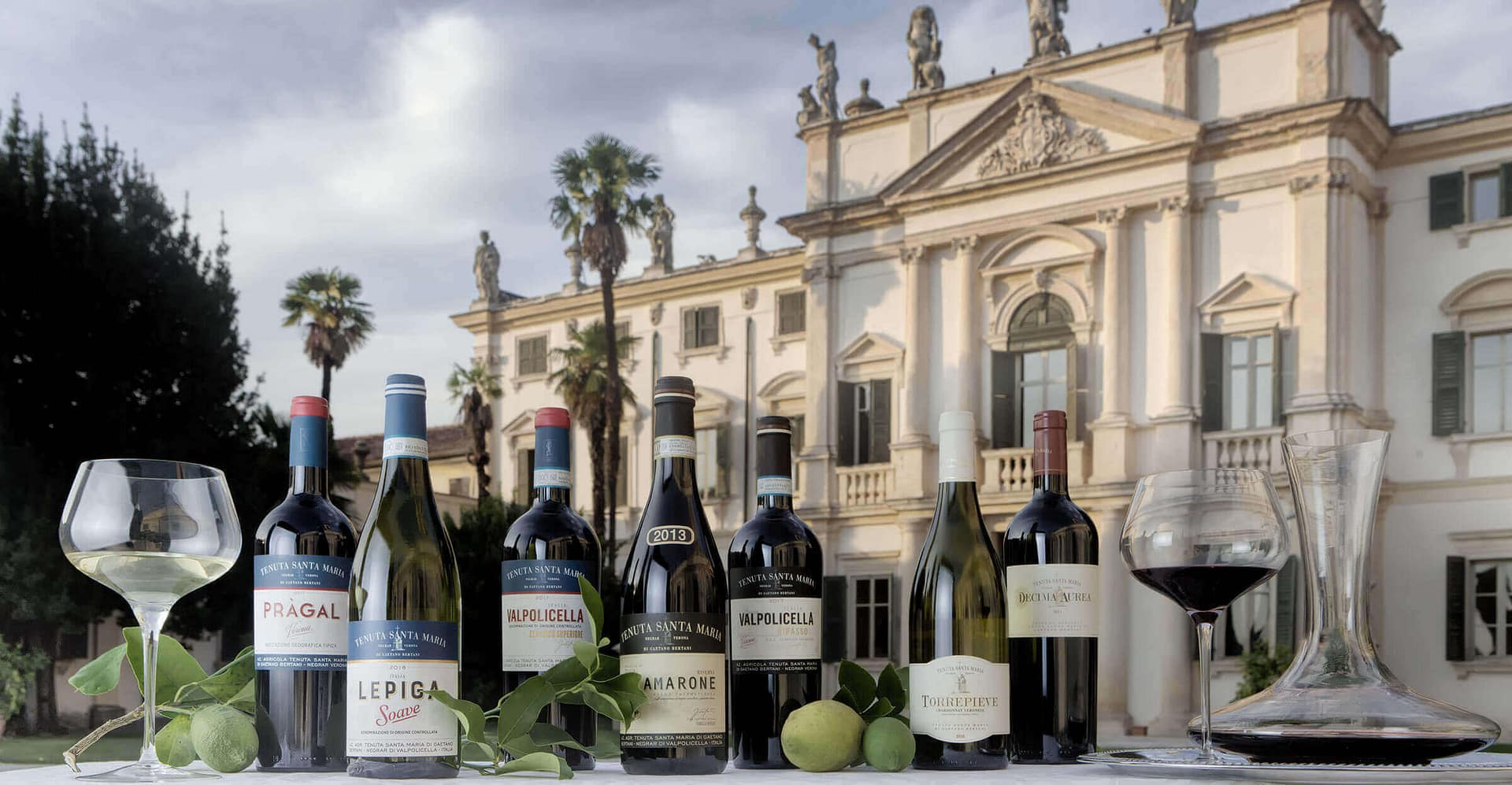
Tenuta Santa Maria di Gaetano Bertani also produces the Soave (another famous wine from Verona) and three IGT wines that combine the characteristics of the terroir of Valpolicella with the charm of French and international vines.
Here you can find the complete list of our wines.
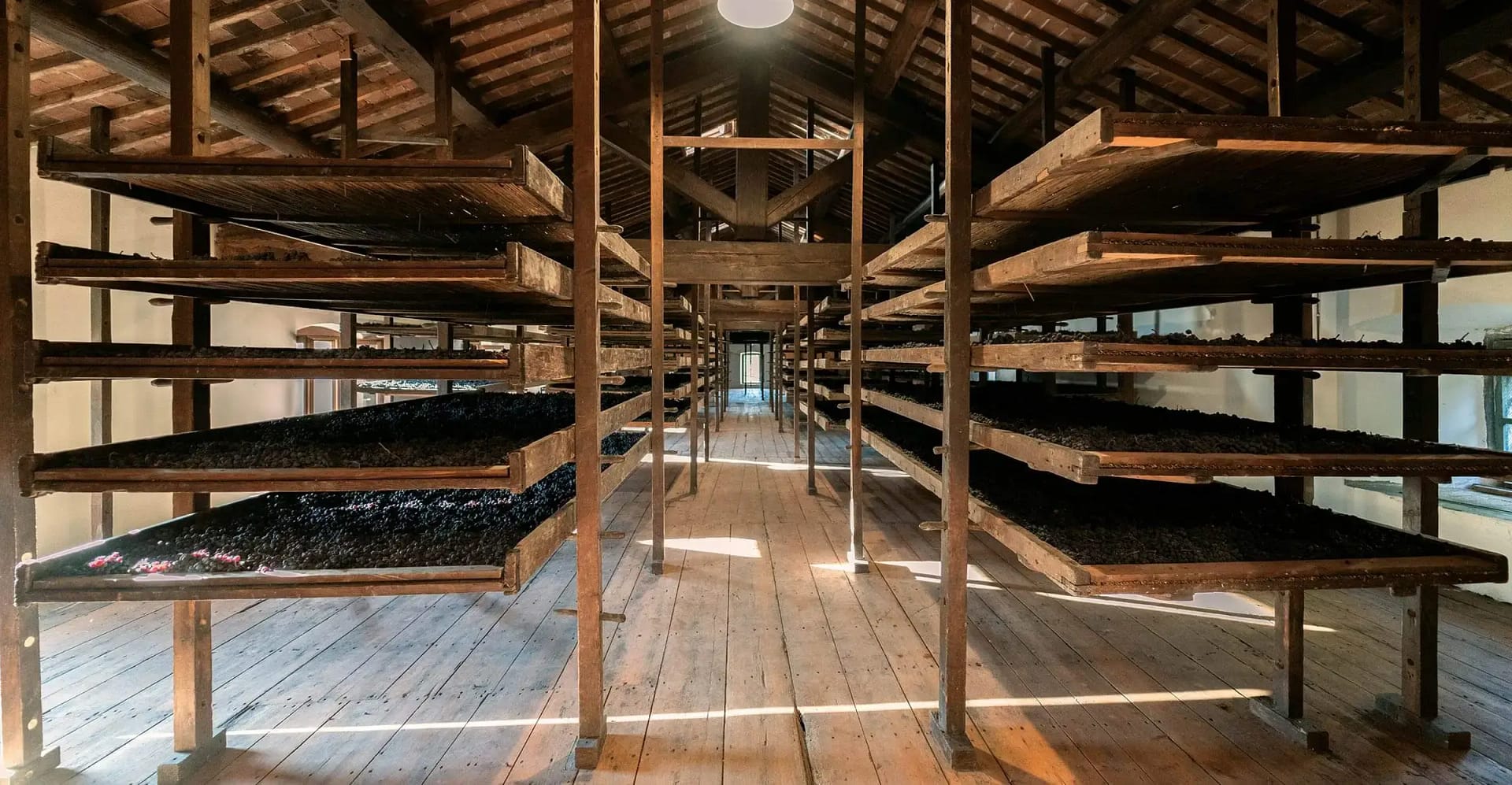
The wine of Valpolicella has unmistakable characteristics that make it appreciated in every part of the world. The calcareous-marly soil of the area, combined with a temperate climate, creates ideal conditions for the cultivation of native vines Corvina, Corvinone and Rondinella, as well as many rare varieties that are being rediscovered and reevaluated. These particular grapes give an intense ruby red color that changes into garnet red in wines with longer aging. The olfactory profile is characterized by aromas of red fruit, among which cherry, blueberry, currant and plum stand out, accompanied by floral notes and spicy hints of liquorice, cinnamon, pepper, tobacco, cloves, tea leaves, leather and cocoa. On the palate they are very elegant and have a discreet alcohol intensity, a rich and enveloping structure, a pleasant roundness, an excellent acidity, velvety tannins and a good taste-olfactory persistence. The wine of Valpolicella is also characterized by two particularities winemaking techniques used for its production. The barrel aging, which according to the characteristics of the chosen wood gives depth and aromatic complexity to the wine, and the appassimento method. The latter is a natural process in which grapes are left to dehydrate on racks to concentrate sugars and flavors. Thanks to this technique, the freshest aromas typical of the varieties of Verona are combined with intense and refined floral and spicy aromas, creating a unique and unmistakable bouquet.
Valpolicella wines can age in the bottle for a long period of time, developing very interesting aromas and flavors that may surprise. To evolve and be tasted even after many years must be stored correctly. We recommend storing the bottle in a cool, dark and controlled humidity environment, preferably between 60% and 80%. The ideal temperature should be between 10°C and 18°C, avoiding thermal changes that could compromise the quality of the wine. Bottles should be stored horizontally, so that the cork remains moist, preventing the oxidation. It is also important to avoid exposure to direct sunlight, excessive vibration and contact with strong odors that could adversely affect aging. Each wine from Valpolicella has a recommended serving temperature ranging between 16°C and 18°C. To best taste the characteristics we recommend serving them in large glasses for red wine or baloon. Amarone and Amarone Riserva, which have great body and structure, should be tasted by opening the bottle at least an hour before to bring out the most complex aromas and scents. In case of long-ageing years, it may be necessary to open Valpolicella Ripasso and Superiore bottles early too.
You can discover all our tasting suggestions in the page dedicated to each wine.
Known for their structure and aromatic complexity, Valpolicella’s wines are suitable for a variety of food pairings. Amarone, with its ripe fruit and spiced aromas, is ideal for dishes such as braised meat, game and aged cheeses.
Valpolicella Ripasso, which is medium bodied and has notes of red fruits, goes very well with pasta with a meat sauce, mushroom risotto and grilled meat. Valpolicella classico, which is lighter and younger, is perfect with appetizers, first courses and poultry. Recioto, which is sweeter, goes very well deserts with dark chocolate or nuts and blue cheeses.
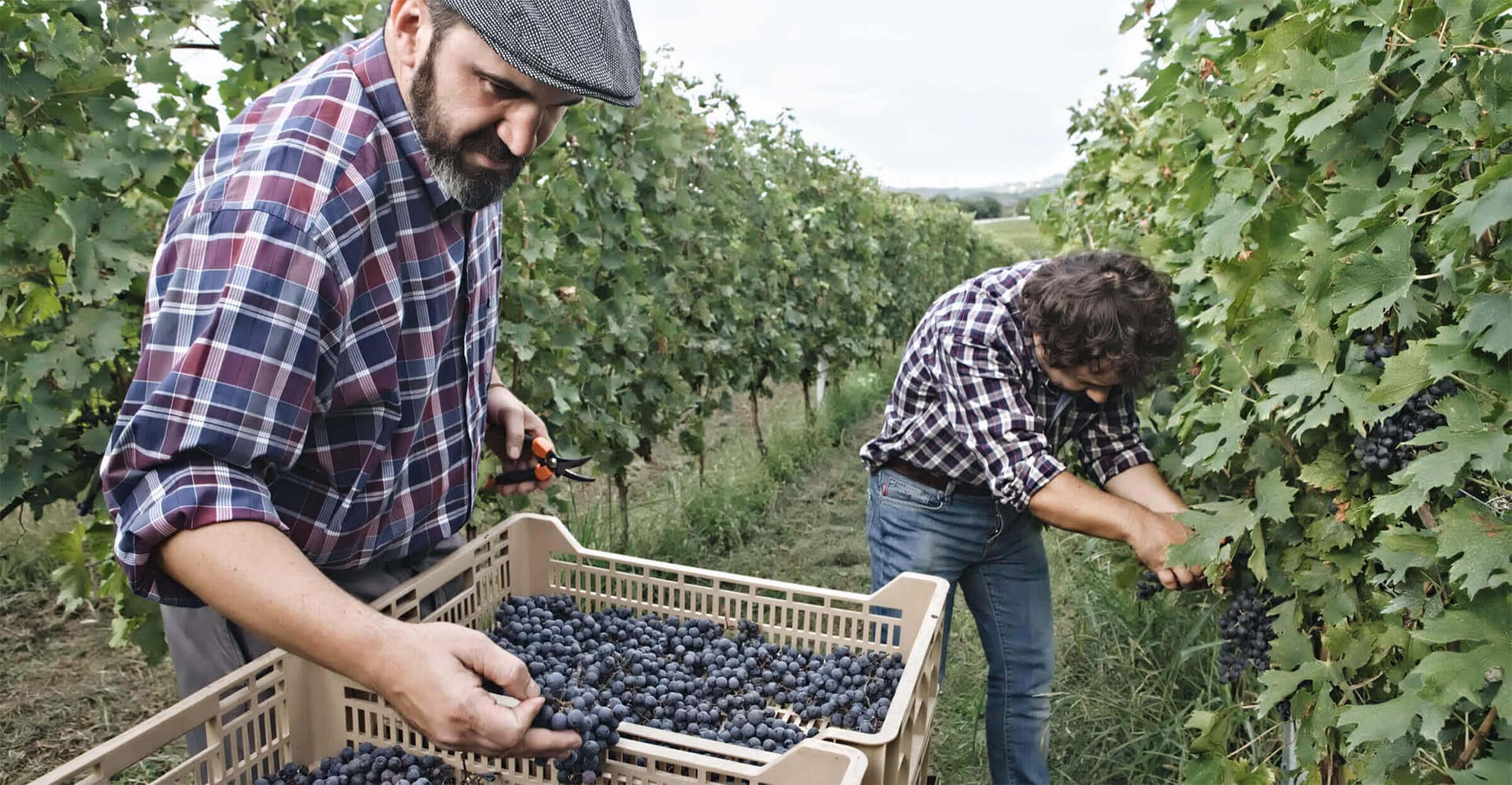
When planning a visit to Verona and Valpolicella you can not miss an experience of tasting the typical wines of this area. The local restaurants and trattorias offer traditional dishes and seasonal products in food and wine combinations created to enhance all the flavors of the area. The most interesting experience is however the visit to an estate that allows you to discover and appreciate the wines where they are produced. During a tasting tour you have the opportunity to visit the vineyards, the drying lofts for appassimento of the grapes, the vinification and the cellars for the aging of wines. During the tasting, the explanations of a dedicated guide also allow you to deepen and understand the wine-making techniques and the production philosophy of the winery.
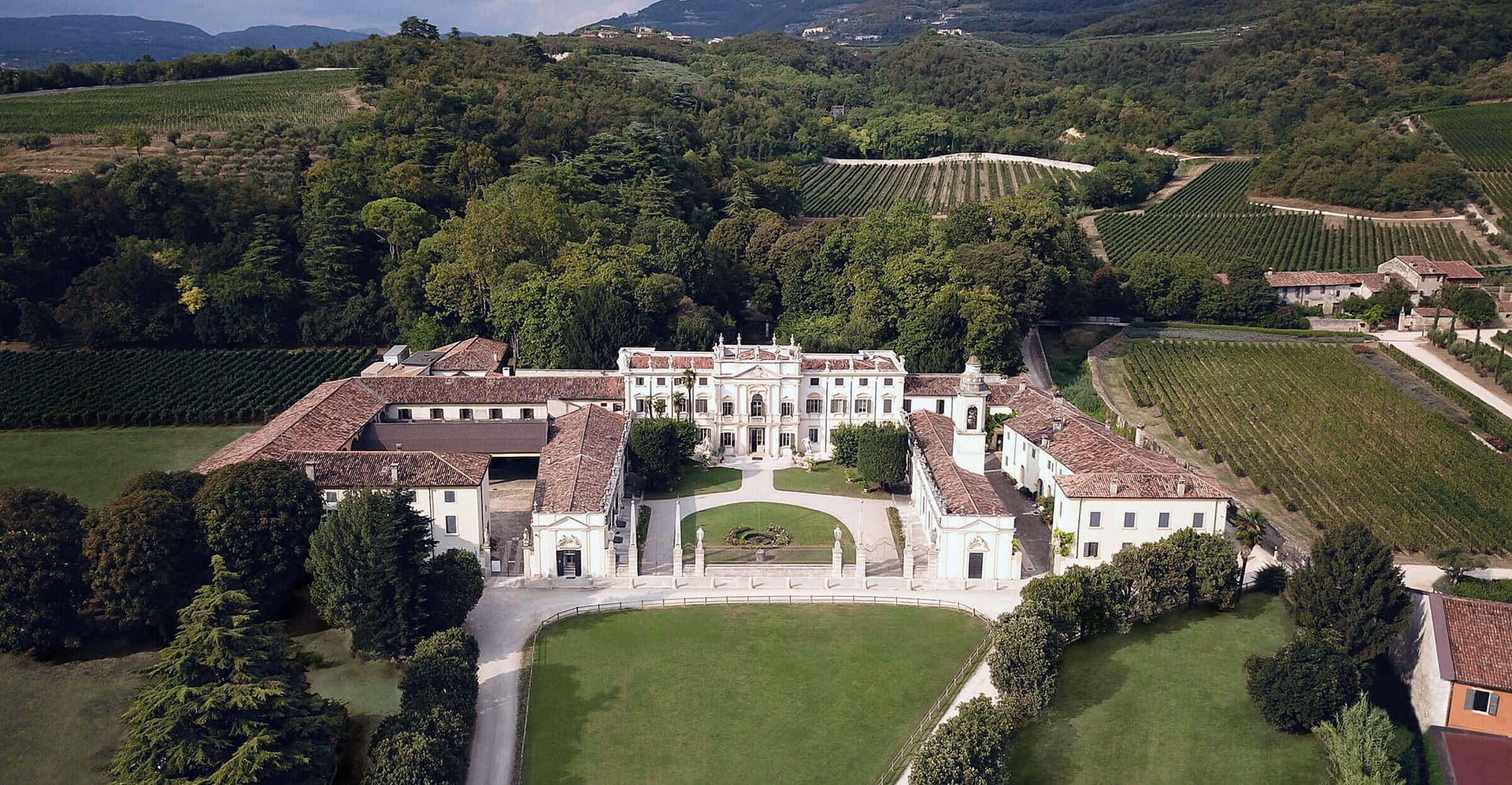
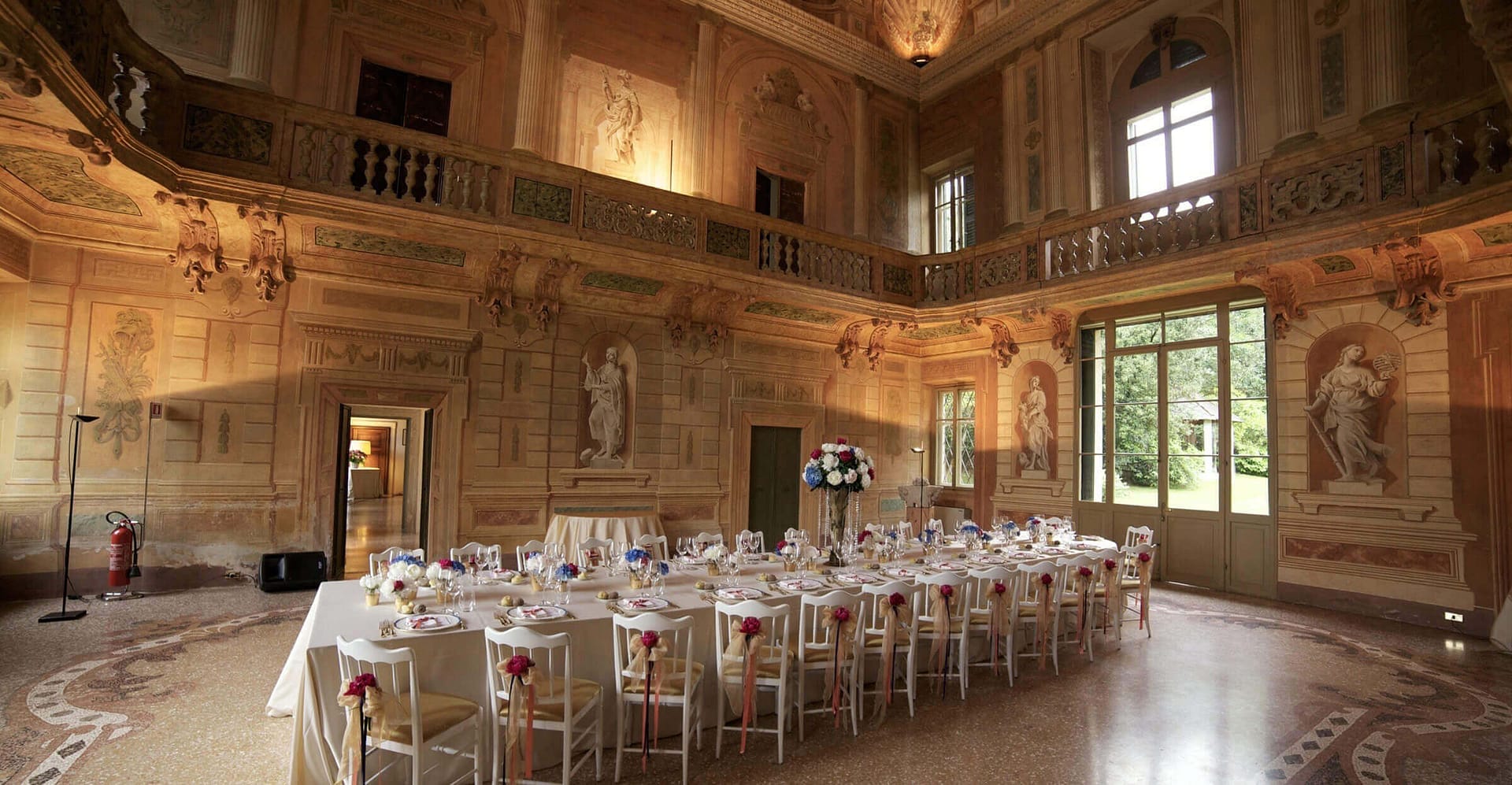
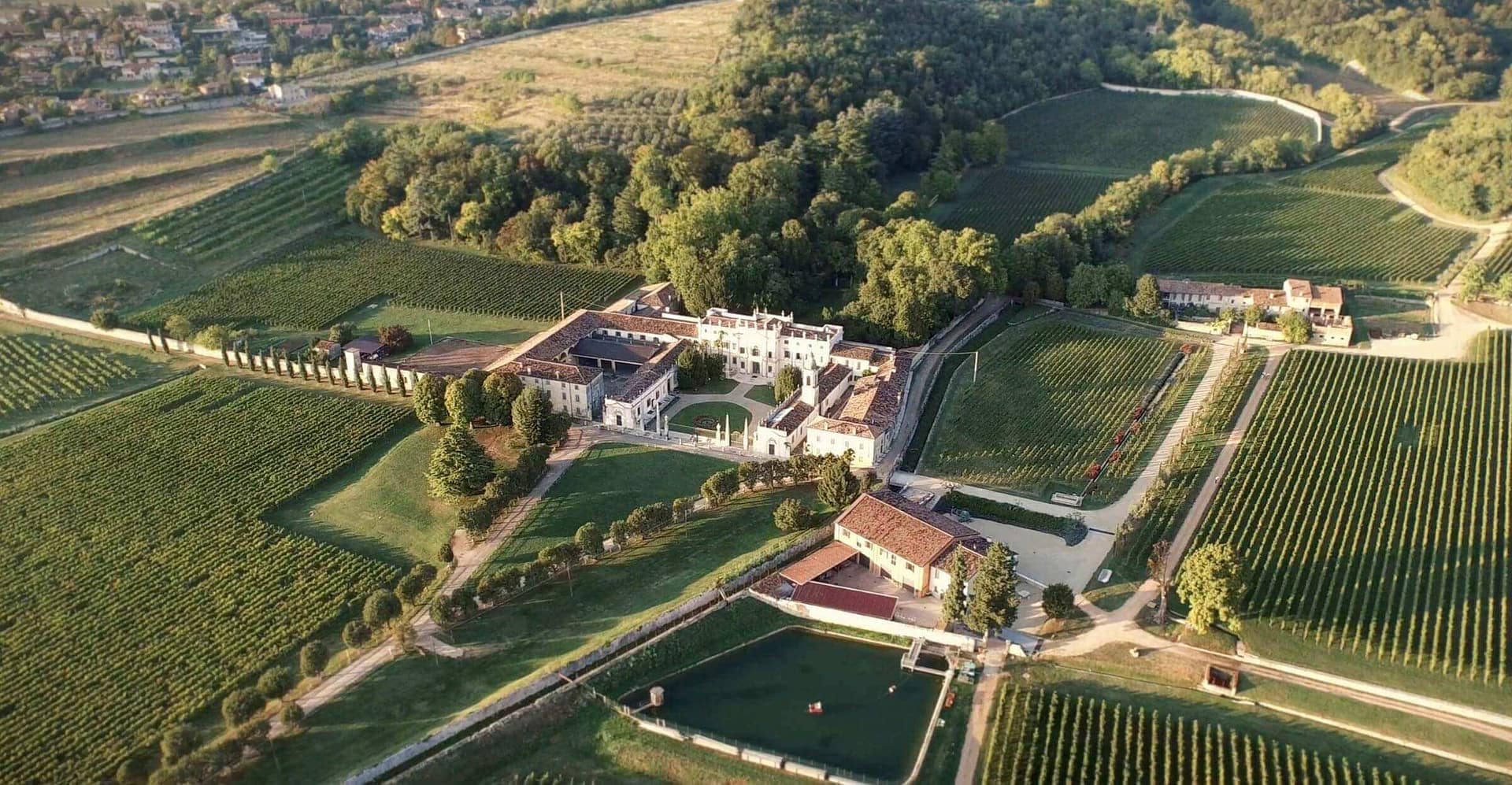
Located in a frescoed Venetian villa of 1700, Tenuta Santa Maria by Gaetano Bertani is one of the few wineries of Amarone in the area to combine art, history and enology, the ideal place to discover and taste the wine of Valpolicella, immersed in the green of its vineyards.
A
To best organize a wine tasting in Valpolicella, you have to start by choosing from one of the more than 400 wineries in the region. Once you have decided on a location or created an itinerary, choose from the tasting options offered the most suitable for your curiosity and needs. Every winery has its own unique characteristics; this is why many of them offer packages that include the tour of the structure, an explanation of the production methods and a tasting of different types of wine. Don’t forget to carefully plan how you’re going to get there. Valpolocella is around 30 minutes by car from Verona and around 40 minutes from Garda Lake. The region is easily accessible by train or by bus and there is a taxi service available 24/7. There are also numerous hotels and B&B’s nearby, and a variety of restaurants in order to satisfy everyones tastes. Our expert guides can help you to plan in every detail an unforgettable tasting experience among the cellars of Valpolicella. Please contact us for more information.
The following Estate Guided Tours are available daily by booking up to 20 minutes before the start of the tour. We advise to book early in case of popular times and dates.
Use this link to book one of the options.
TRADITION – Four Wines
After an engaging guided tour through our historic estate, the antique vineyards of the clos, the drying room and the gravitational winery, you will have the possibility to try our elegant wines of the Veronese tradition.
The tasting of these four wines will offer you an overview of our excellent production. Our guides will introduce you to our winemaking philosophy and to the characteristics of the Valpolicella and Soave regions.
LEPIGA SOAVE
VALPOLICELLA CLASSICO SUPERIORE
VALPOLICELLA RIPASSO CLASSICO
AMARONE CLASSICO RISERVA
€31 per person
By prior request, weekdays only: A selection of cheese and charcuterie (2 person minimum – €20/person)
SELECTION – Six Wines
This experience offers a in-depth overview of the wines produced by our estate.
After the visit to our Tenuta, the vineyards, the drying loft and wine cellar, the guides will accompany you on a tasting of six glasses of wine. During this experience you can taste the classic wines of Valpolicella, of our production, and our exclusive Igt wine.
LEPIGA SOAVE
TORRE PIEVE CHARDONNAY
VALPOLICELLA CLASSICO SUPERIORE
VALPOLICELLA RIPASSO CLASSICO
AMARONE CLASSICO RISERVA
DECIMA AUREA MERLOT
€43 per person
By prior request, weekdays only: A selection of cheese and charcuterie (2 person minimum – €20/person)
È possibile prenotare la visita nella sezione dedicata del nostro sito.
Per organizzare visite private, tour aziendali o di grandi gruppi si prega invece di contattarci all’indirizzo mail: webbooking@tenutasantamaria.wine
You can book a Private Tour of our historic villa or contact us for a bespoke tour and tasting. Please book in advance to secure your date.
Use this link to book one of the options or contact us for a custom experience.
HERITAGE TERROIRS
Five wines – Duration: 2 hours
You will discover the wine tradition of the Veronese region through a personalized and unique tour and tasting.
The program includes an exclusive visit around the estate with a dedicated guide and a tasting in a private room. You will taste a representative selection of wines from our production, gaining deeper insight into the unique character and craftsmanship behind each label.
LEPIGA SOAVE
VALPOLICELLA CLASSICO SUPERIORE
VALPOLICELLA RIPASSO CLASSICO
AMARONE CLASSICO RISERVA – Current vintage
AMARONE CLASSICO RISERVA – Library vintage
Starting at €640 for 1 to 4 guests
+€160 for each additional guest, max 10
Accompanied by a selection of cheese and charcuterie
SIGNATURE CRUS
Six wines – Duration: 2 hours
An exclusive journey through a prestigious 18th-century estate, a symbolic place in our family’s history. The guided tour leads through vineyards and historic rooms, revealing the identity of our Crus. It is followed by a private tasting of six wines, including great classics and selected vintages. An immersive offering designed for those who wish to experience our finest wines in complete privacy.
LEPIGA SOAVE
TORRE PIEVE CHARDONNAY
VALPOLICELLA CLASSICO SUPERIORE
AMARONE CLASSICO RISERVA
DECIMA AUREA – Current vintage
DECIMA AUREA – Library vintage
Starting at €680 for 1 to 4 guests
+€170 for each additional guest, max 10
Accompanied by a selection of cheese and charcuterie
AMARONE CLASSICO GRAND TASTING
Six wines – Duration: 2 hours
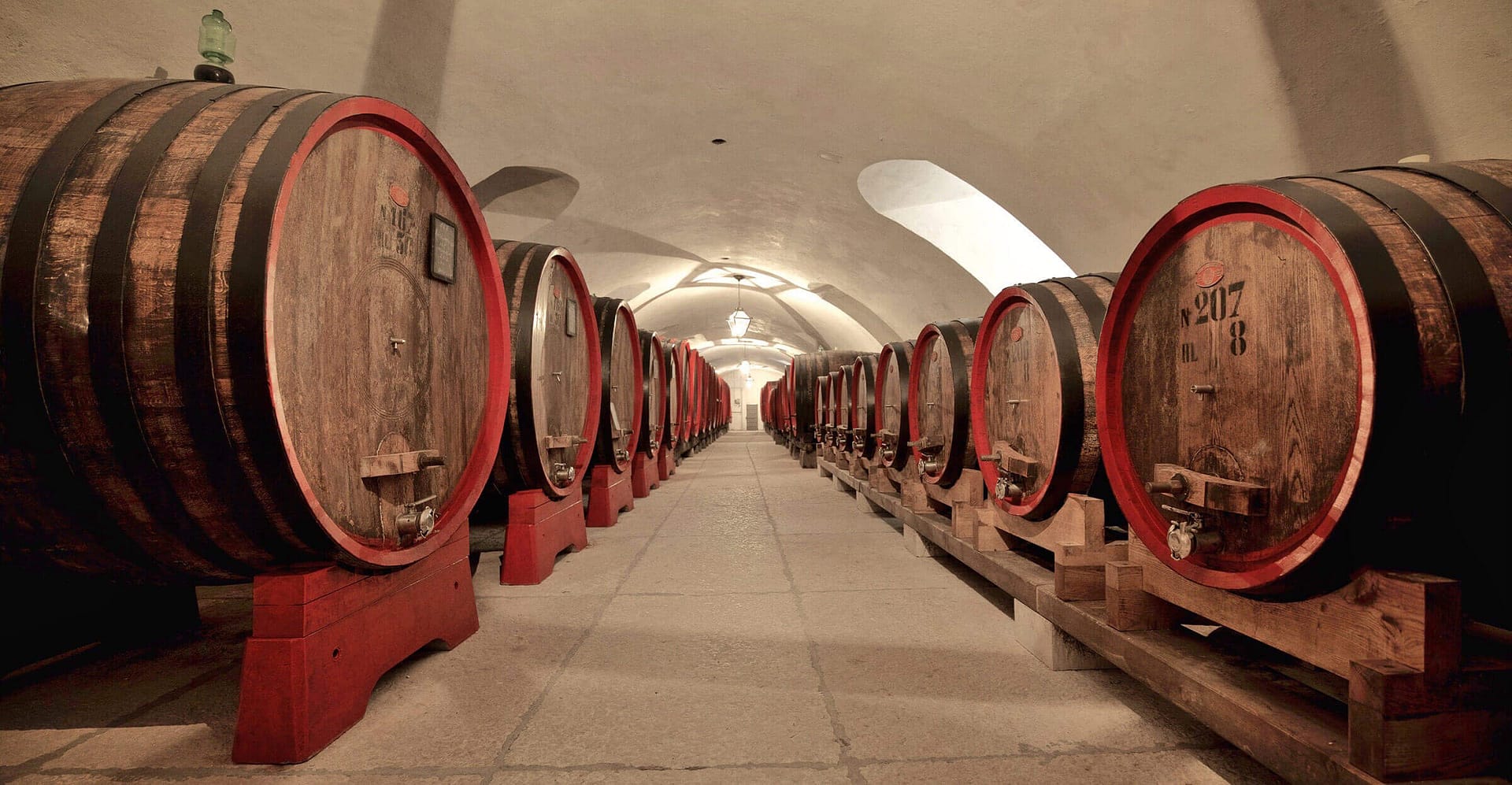
For wine lovers, an exclusive experience to discover all the unique qualities of Amarone della Valpolicella. You will visit our historic estate, the romantic brolo —enclosed vineyards— and the monumental barrel room, the birthplace of Amarone. You will then be guided by an experienced sommelier in a tasting in a private room.
Here, starting with the most direct expressions of Valpolicella native grapes, you will taste two vintages of our Amarone Classico Riserva and one of Brolo dei Poeti, our limited-selection Amarone Riserva, aged for 14 years. Recioto adds a sweet note to complete the experience.
VALPOLICELLA CLASSICO SUPERIORE
VALPOLICELLA RIPASSO CLASSICO SUPERIORE
AMARONE CLASSICO RISERVA – Current vintage
AMARONE CLASSICO RISERVA – Library vintage
AMARONE CLASSICO RISERVA “BROLO DEI POETI” 2007
RECIOTO CLASSICO
Starting at €1520 for 1 to 4 guests
+€380 for each additional guest, max 10
Accompanied by a selection of cheese and charcuterie
THE CENTURY OF AMARONE CLASSICO – VINTAGE 1928
seven wines – Duration: 2 hours
A unique tasting created to celebrate the history of Amarone, the most famous wine from Verona. After a private tour of the estate —to include the frescoed hall, gardens and winery— you will be escorted to a private room.
Here, an experienced sommelier will guide you through an exclusive tasting that includes the extremely rare family reserve Acinaticum 1928, the father of our Amarone, and a vintage of Brolo dei Poeti, our highly selected Amarone Classico Riserva, produced from only the best vintages. To complete the journey through the history of this iconic wine, the tasting also includes two vintages of Amarone Classico Riserva, Recioto, Valpolicella Classico Superiore and Valpolicella Ripasso Classico.
VALPOLICELLA CLASSICO SUPERIORE
VALPOLICELLA RIPASSO CLASSICO SUPERIORE
AMARONE CLASSICO RISERVA – Current vintage
AMARONE CLASSICO RISERVA – Library vintage
AMARONE CLASSICO RISERVA “BROLO DEI POETI” 2007
ACINATICUM 1928
RECIOTO CLASSICO
Starting at €6080 for 1 to 4 guests
+€1520 for each additional guest, max 10
Accompanied by a selection of cheese and charcuterie
THE POETS’ PAVILION
Wine encounters in the Romantic park
five wines – Duration: 2 hours
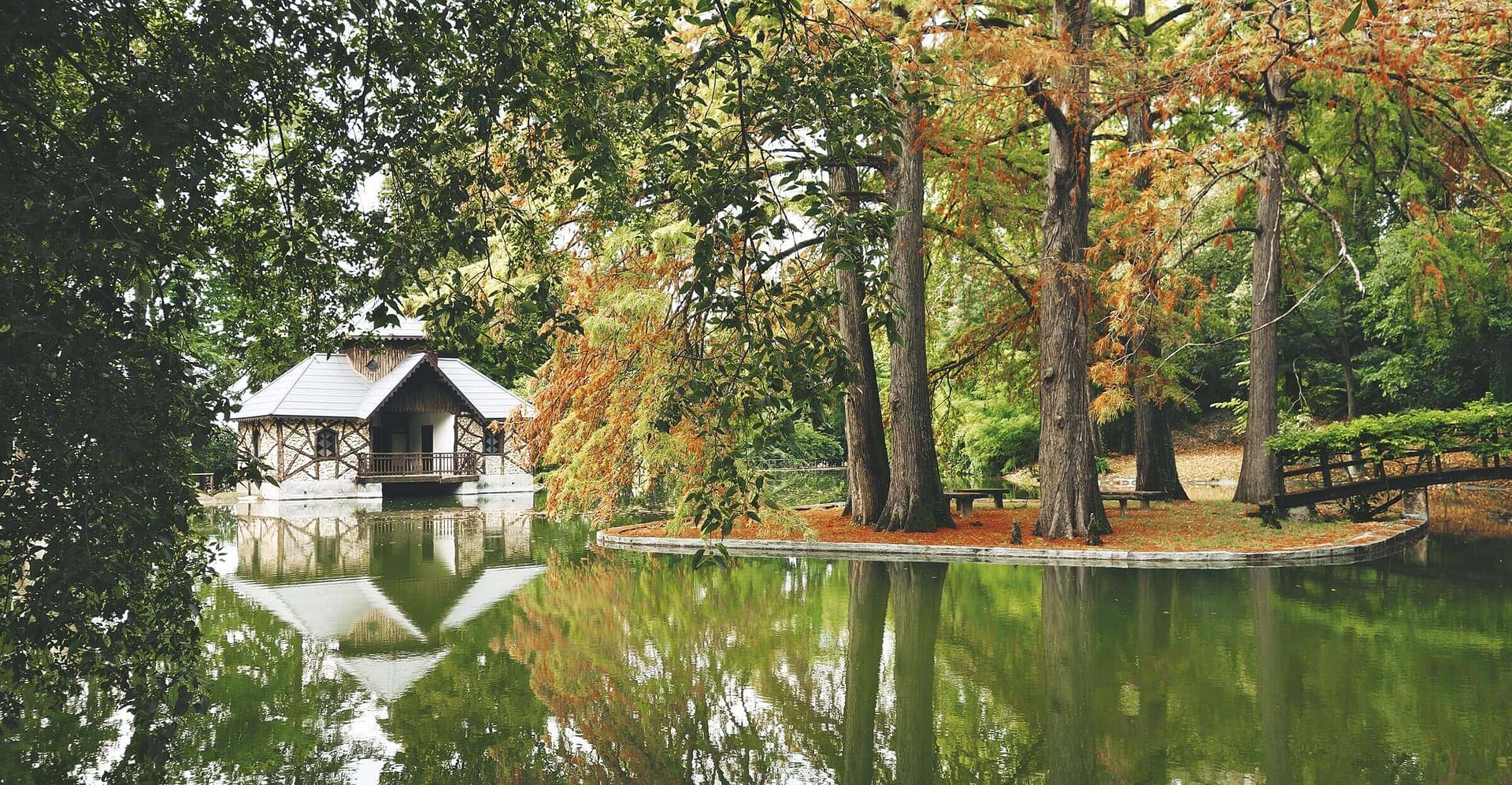
A private moment devoted to five wines from the Verona area, presented right in the place where they are made. The aperitif in the Casetta del Caffè adds an intimate and refined touch, offering the chance to enjoy the estate in complete tranquility, in the very spaces where, in the 18th century, the writers Pindemonte and Foscolo gathered in the Poets’ Clos.
LEPIGA SOAVE
TORRE PIEVE CHARDONNAY
VALPOLICELLA CLASSICO SUPERIORE
VALPOLICELLA RIPASSO CLASSICO SUPERIORE
AMARONE CLASSICO RISERVA
Optional +€15/GLASS:
AMARONE CLASSICO RISERVA “BROLO DEI POETI” 2007
Starting at €920 for 1 to 4 guests
+€230 for each additional guest, max 6
Accompanied by a selection of cheese and charcuterie
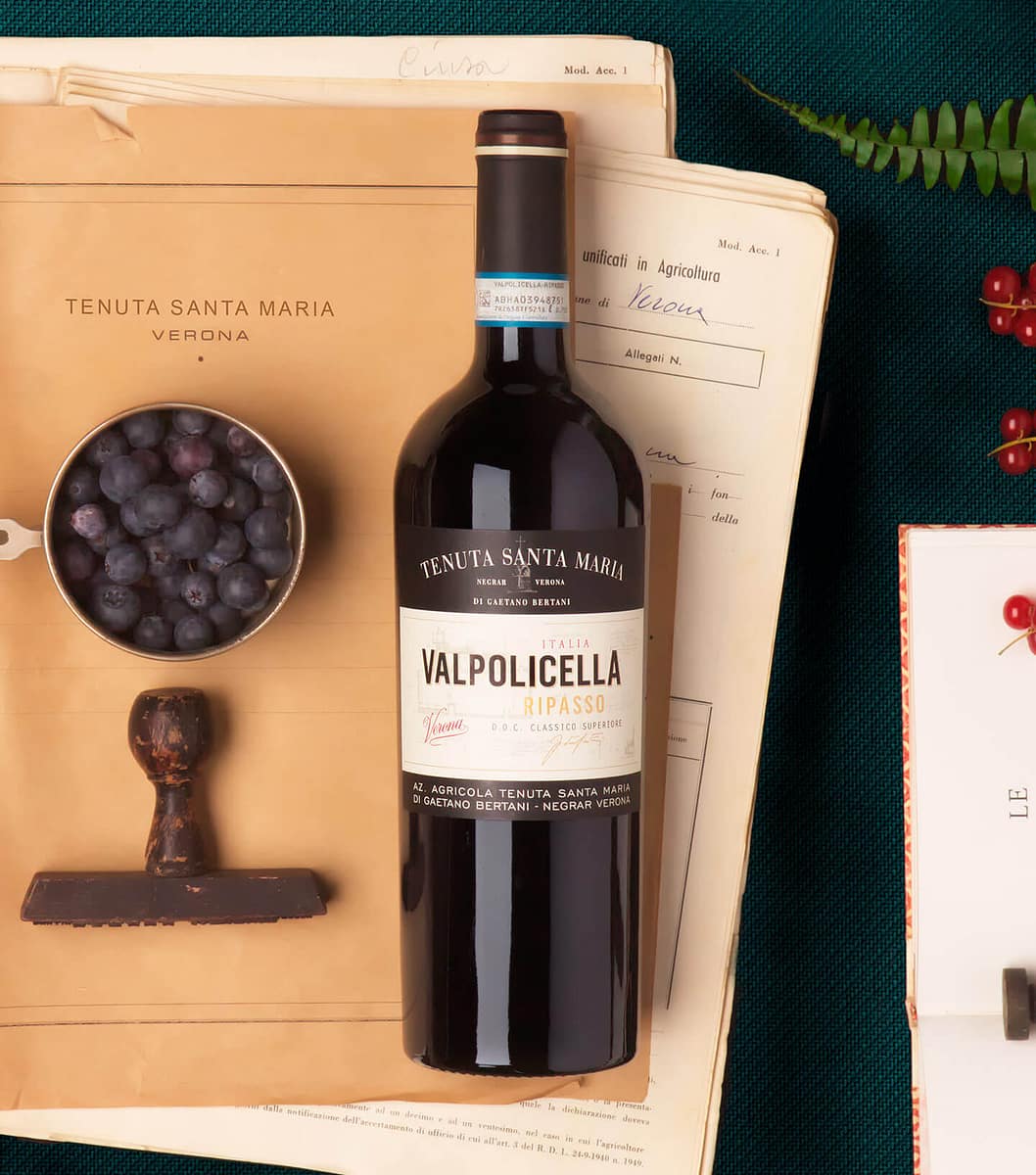
Valpolicella Ripasso is a red wine from the Veneto region of Italy. It is made using a unique process where the wine is re-fermented on the skins of Amarone grapes, giving it more body, complexity, and a slightly bitter finish.
Valpolicella Ripasso is a dry red wine. While it offers notes of dark cherry and plum, it finishes with a pleasant dryness and subtle bitterness, making it an excellent pairing for a variety of dishes.
The Consorzio per la Tutela dei Vini Valpolicella is an association of winegrowers, winemakers, and bottlers from the Valpolicella production area, which spans 19 municipalities in the province of Verona. The Consortium plays a key institutional role in promoting, protecting, and educating about Valpolicella wines and territory, as well as overseeing regulations and safeguarding the appellation.
Both are red wines from Valpolicella, but Amarone is made with grapes that have been dried for several months, resulting in a richer, more concentrated wine with higher alcohol content. Ripasso, while also full-bodied, is lighter and fruitier due to a shorter drying time for the grapes.
The headquarters of the Consorzio per la Tutela dei Vini Valpolicella is in Sant’Ambrogio di Valpolicella (37015), at Villa Brenzoni Bassani, Viale del Marmo 10.
The main difference between Valpolicella Ripasso and Valpolicella wine is the production process. Valpolicella is a fresh wine, produced by pressing and fermentation of the grapes Corvina, Corvino and Rondinella. Ripasso comes from Valpolicella but it is a much more complex wine. To obtain it is used a traditional winemaking process called “Ripasso method” which consists in the “repass” of Valpolicella wine on the grape skins of Amarone or Recioto. This technique gives the Ripasso a greater structure, aromatic complexity and a richer profile than the Valpolicella base. Before being bottled, the Ripasso also spends a period of aging in wooden cask, something that does not happen for the Valpolicella Classico.
There are four official Valpolicella wines: Valpolicella DOC, Valpolicella Ripasso DOC, Amarone della Valpolicella DOCG, Recioto della Valpolicella DOCG.
The current President of the Consortium is Christian Marchesini.
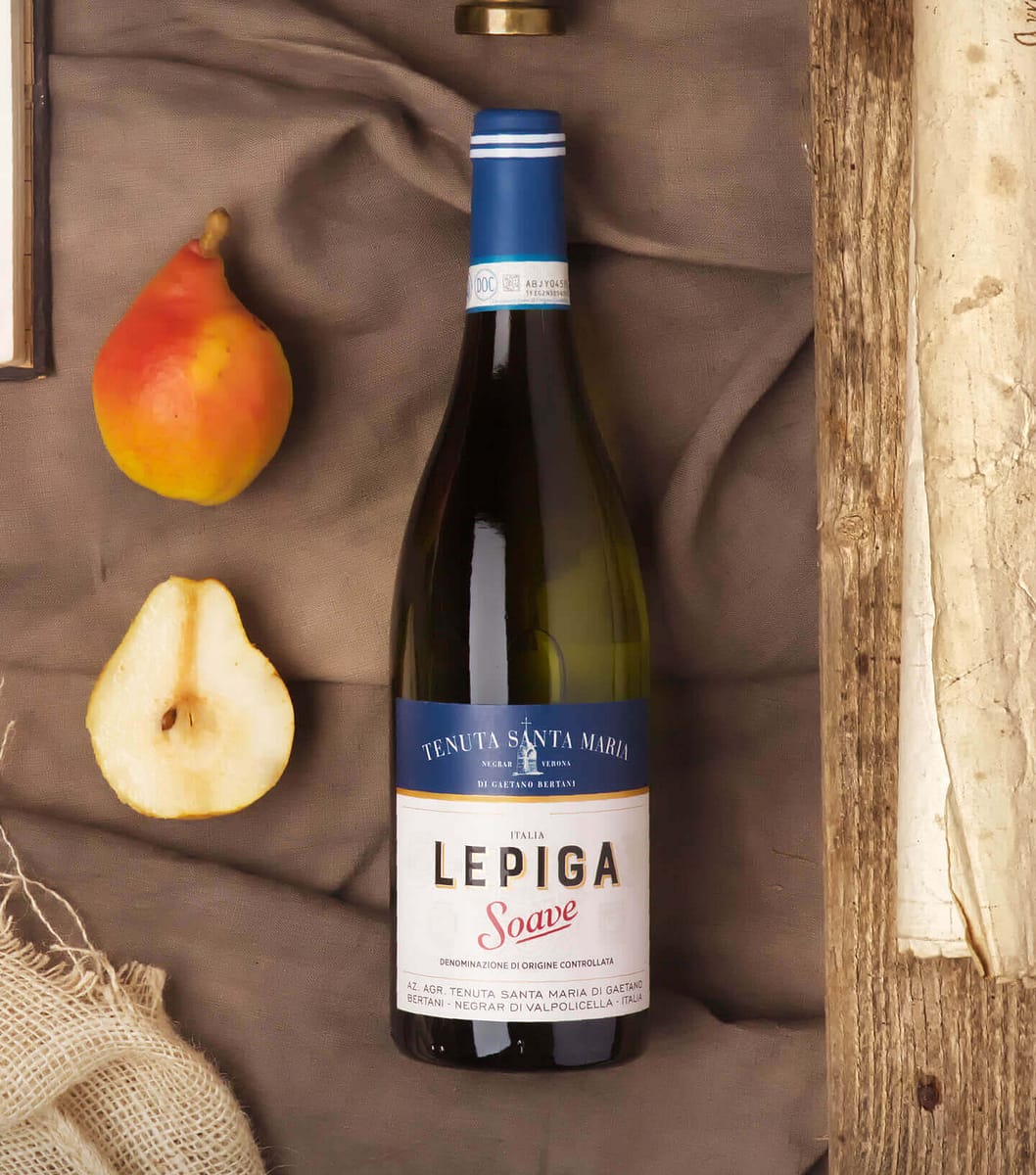
Soave is a typical Veneto white wine produced in the Soave area, a winemaking area east of Verona. It is made from Garganega, Trebbiano di Soave and Chardonnay grapes.
Soave is known for its delicate, refreshing flavours of summer and exotic fruits, ripe pear, peach, herbs, almond. For its generous minerality with hints of toasted vanilla aromas.
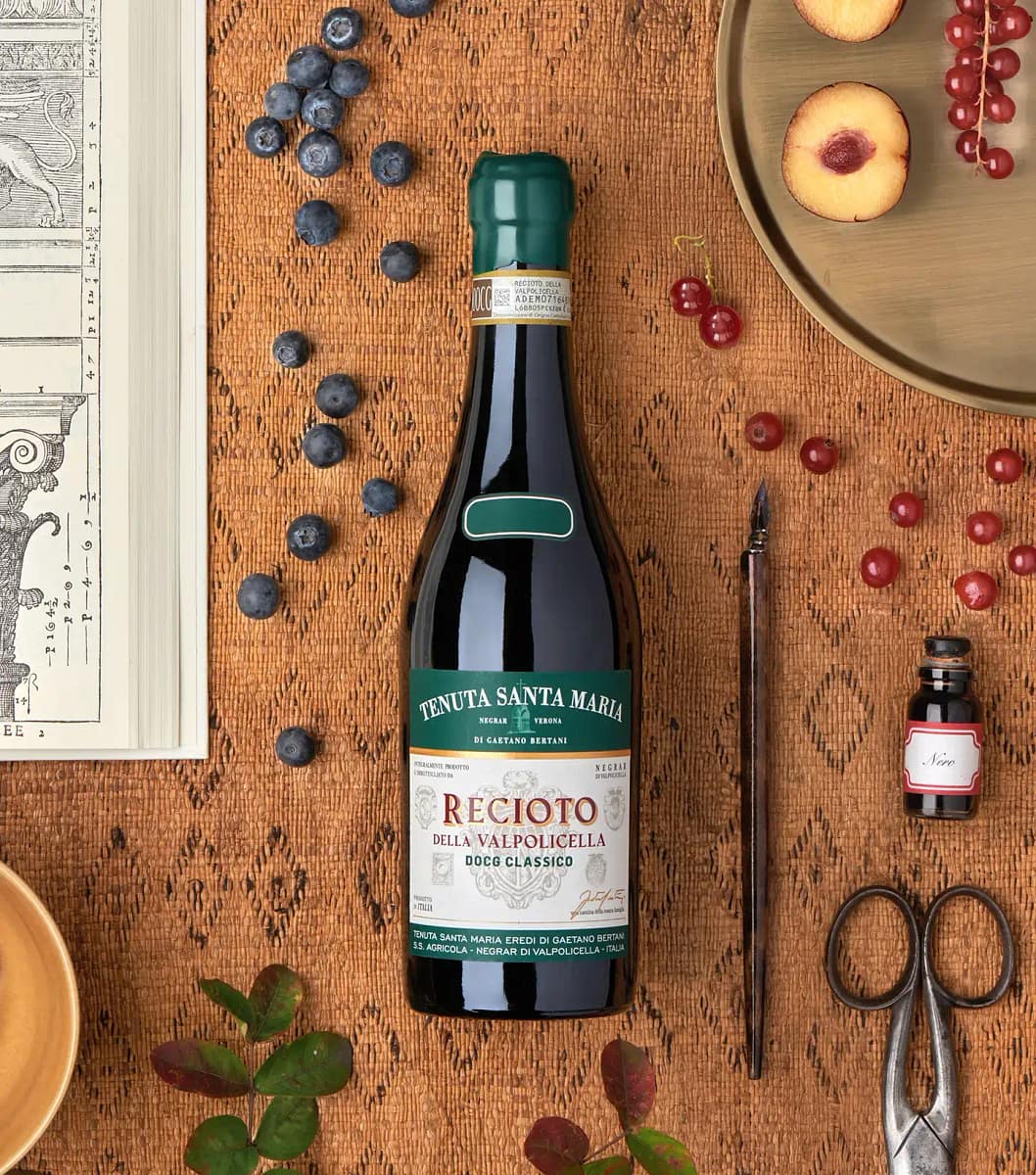
Recioto della Valpolicella is a sweet red raisin wine from Verona. It is made from a blend of local grapes, including Corvina, Corvinone and Rondinella, and is produced using the appassimento method: an ancient technique for drying grapes that dates back to Roman times.
Amarone and Recioto are both red wines from Valpolicella, made from Corvina, Corvinone and Rondinella grapes using the appassimento method. Their main difference is in the fermentation: Amarone ferments for about 30-50 days, during which almost all the sugars in the must are transformed into alcohol. The result is a dry, full-bodied wine with a high alcohol content. On the other hand, Recioto ferments for a shorter period, usually 15 to 20 days. The shorter process time allows a higher percentage of natural sugars to be maintained. The result is a sweet, smooth wine with a lower alcohol content than Amarone.
Both are popular Italian white wines, but with different aromas and flavours. Pinot Grigio is lighter, with notes of jasmine and lychee. Soave tends to have a stone fruit and herbal aroma.
Soave should be stored, like all other wines, in a dark, cool place, away from direct light and heat sources and at a suggested temperature of around 12 degrees.
An open bottle of Recioto, if stored in a cool place and tightly closed with a cap limiting exposure to air, can keep its qualities for 3-5 days.
From Verona (15 minutes): Take the SS12 towards Valpolicella and in Parona, the SP4 to Arbizzano di Negrar.
Bus Service: ATV 21 – 93 – 101 – 103 – 104 – 105 – 107 – from the Verona Porta Nuova train station to Arbizzano. The buses also have stops in the historic city center.
Taxi: From Verona (15 minutes) To reserve: +39 045 532666
From the Verona airport (25 minutes) To reserve: +39 045 2223525
From Lazise and Lake Garda (32 minutes): Take the SP31 towards Valpolicella and then the SP4 to Arbizzano di Negrar.
Autostrada:
A22 – Affi (32 minutes): Take the SP11, direction Valpolicella, and then the SP4 towards Arbizzano di Negrar.
A22 – Verona Nord (22 minutes): Take the SS12 to Valpolicella. In Sant’Ambrogio di Valpolicella take the SP4 to Arbizzano di Negrar.
A4 – Verona Sud (22 minutes): Take the Viale Del Lavoro going towards Centro. At the ring road, go in the direction of Valpolicella, then take the SP1 towards Arbizzano di Negrar.
Train: The nearest station is Verona Porta Nuova where you can take a city bus or a taxi.
Air: Valerio Catullo Airport is only a few minutes outside of Verona. Bus service, taxi service, and car rentals are available.
To book a taxi in Verona the contact number is: 045 532666, to book a taxi in Venice the number is: 041 5964. Click on this link to find all the information you need regarding how to get to our estate.
Our tours are as part of a group with other people. To get additional information in regards to our private tours please contact us at: booking@tenutasantamaria.wine.
Every day we have from two to four guided tours, all at specific times. We kindly invite you to consult the form on the Tours and Tastings page to check availability and to book your tour.
We strongly recommended that you book your tour in advance, especially in spring and summer when a lot of tourists visit the villa.
It is possible to join another visiting group by arriving at the villa at the established time according to the tour schedule. Space is available until we reach the maximum number of visitors.
Off-schedule visits must be booked in advance and are only available for large groups. The visit must take place before the wine shop closes at 6pm.
The tour lasts around 45 minutes and includes a description of the history of the estate and its strong ties with wine production. During the tour you will visit the frescoed main hall, the secret garden, the poets’ park, the vineyards and lastly the drying room and antique winery, where our ancient barrels are preserved. Afterwards there will be a tasting of our wines in a designated room. The tour and tasting lasts around 90 minutes in total.
Bookings made directly via our website do not require a prepayment. If a cancellation is required we kindly ask for 24 hours notice.
If you have booked one of our experiences through an external website please refer to the site’s terms and conditions regarding their cancellation policy.
The tours and tastings are in English and Italian. On request it is possible to organise tours and tastings in other languages. Please contact us for further information.
We offer a variety of different types of tastings. The most popular are the ‘Traditional’ Tasting which includes a tasting of four wines and costs 29 euros per person and ‘Selection’ which includes a tasting of six wines and costs 41 euros per person. It is also possible to book personalised tastings and private tours for companies and large groups. Please consult our website for more information.
No, at the moment we don’t offer the experiences separately. If you have any special requirements contact us for further information.
The tastings take place after the tour of the villa. You will be accompanied to a room that has been set up for the tasting of our wines, which will be presented in detail with the help of a presentation on screen. Wine will be only be served to adults over the age of 18.
During the tasting the guide will talk to you about the characteristics of the indigenous grapes, the training system of the vineyards, the region and the territory. We will also focus on the olfactory and gustatory aromas that distinguish our wines.
Tours are payable in cash as well as with debit card, credit card, or Apple Pay.
Yes, the Tenuta has a parking lot right in front of the entrance gate. It is available to anyone who visits the villa or wine shop.
Our tours are suitable for all age ranges. Children must be accompanied by an adult during the tour and supervised during the tasting. Children under the age of 12 enter free of charge. For children between the ages of 13 and 17 and for pregnant women the price is 9 euros.
Only small-sized dogs are allowed in the villa. They must be kept on a leash.
The road leading to the villa is accessibile by coach. Group tours that come by coach can park outside the villa.
Disabled persons are welcome to visit our estate however unfortunately some of the areas of the villa may be difficult to access. The winery for example, is underground, and the only way to access it is by stairs leading down to it. Regrettably, we don’t have a lift available. The other areas of the estate are not hindered by particular architectural barriers. You can visit the interior of the villa, the park and the vineyard without too much difficulty.
Yes, we organise lunches and dinners for a minimum of 25 people. Please contact us for more information.
All our tours and tastings include water and breadsticks. It is possible to pair with the tastings a selection of the best salami’s and cheeses with a prepayment of 20 euros per person (minimum 2 people). This service is not available at the weekend. If you would like to book a charcuterie board please contact us at: webbooking@tenutasantamaria.wine
Of course, we have couriers and shippers who can deliver the wine directly to your home or to the requested address. If you are interested in this service, you can ask for more information at the wine shop at the estate on the day of your visit or contact us at: webbooking@tenutasantamaria.wine
Our villa is the ideal location to organise weddings and events of any kind. We have a large kitchen and a number of charming rooms and spaces, both internal and external, which can be easily set up. To learn more contact us at: info@mosconibertani.it.
Yes, it is possible to organise customised tastings for large groups or businesses. For more information please contact us at: webbooking@tenutasantamaria.wine.
People waiting for the start of the visit, or a taxi at the end, can wait inside the wine shop or outside the estate, where there is also an unpaved pedestrian path, in the middle of the hills and vineyards.
Yes, gift vouchers are available to buy on our online shop. You can also request a gift voucher by email, by providing the names of the recipients and paying in advance. For further information, please write to: webbooking@tenutasantamaria.wine
If requested, our staff will call a taxi for you after your visit.
Currently the estate does not offer accommodation. Our staff is however available to suggest the best hotels and B&B’s in the area. For further information, please write to: webbooking@tenutasantamaria.wine.
The cost of a wine tasting in Valpolicella varies depending on the winery, the number of wines tasted and the type of wine. At Tenuta Santa Maria di Gaetano Bertani we offer three types of tastings: one at 26€, one at 39€ and a private tasting starting from 130€. We also offer the possibility to organize custom-made tastings. You can find all the tasting options on our website.
With its fruity aromas and spicy notes, Valpolicella wine pairs perfectly with first courses, cheeses, red meat and game. Find suggestions on how to pair our wines in the dedicated technical sheets.
There are more than 400 wineries in Valpolicella, many of which offer different types of guided tastings and personalized food and wine experiences. Tenuta Santa Maria di Gaetano Bertani is one of the most historic Amarone wineries in the area and is located in the heart of Valpolicella Classica, in a stately 18th-century Venetian villa. Find our tasting proposals on the dedicated page of our website.
We can implement the Duty Free formula only for wines shipped to countries outside the European Union.
How to reach the Villa
from Verona (15 minutes)
Take the SS12 towards Valpolicella and in Parona, the SP4 to Arbizzano di Negrar.
from Lazise and Lake Garda (32 minutes)
Take the SP31 towards Valpolicella and then the SP4 to Arbizzano di Negrar.
Autostrada
A22 – Affi (32 minutes): Take the SP11, direction Valpolicella, and then the SP4 towards Arbizzano di Negrar
A22 – Verona Nord (22 minutes): Take theSS12 to Valpolicella. In Sant’Ambrogio di Valpolicella take the SP4 to Arbizzano di Negrar.
A4 – Verona Sud (22 minutes): Take the Viale Del Lavoro going towards Centro. At the ring road, go in the direction of Valpolicella, then take the SP1 towards Arbizzano di Negrar.
BUS SERVICE
ATV 21 – 93 – 101 – 103 – 104 – 105 – 107 – from the Verona Porta Nuova train station to Arbizzano. The buses also have stops in the historic city center.
TAXI
from Verona (15 minutes)
To reserve: +39 045 532666.
from the Verona airport (25 minutes)
To reserve: +39 045 2223525.
TRAIN
The nearest station is Verona Porta Nuova where you can take a city bus or a taxi.
AIR
Valerio Catullo Airport is only a few minutes outside of Verona. Bus service, taxi service, and car rentals are available.