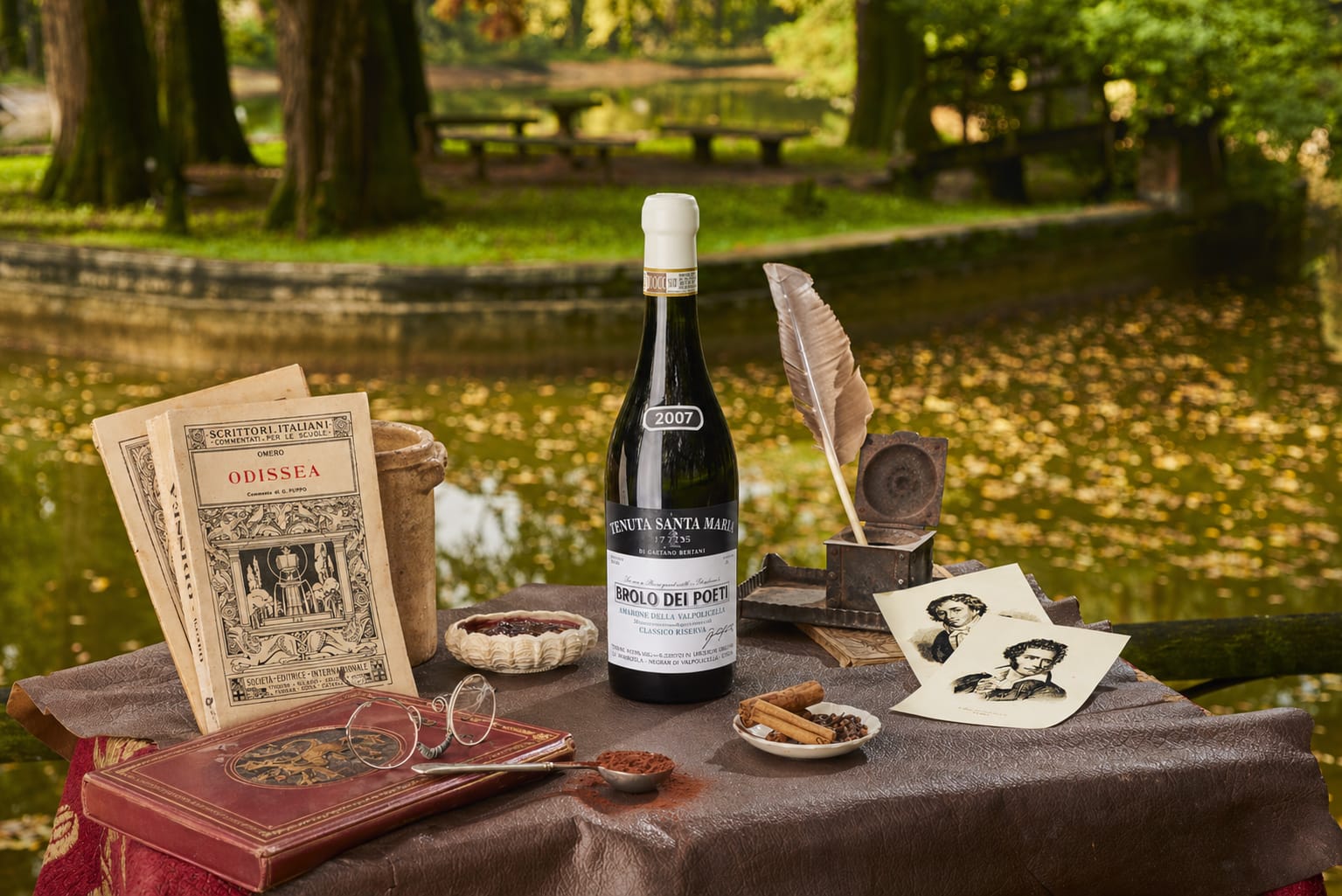
Amarone Classico Riserva: Cru Brolo dei Poeti The Measure of Time
A rare Amarone cru from the historic Brolo of Tenuta Santa Maria, in Valpolicella Classica. Produced only in exceptional vintages and aged over fourteen years, it expresses elegance, depth, and a true sense of time and place.
A rare place, a living legacy.
Brolo dei Poeti was born from a rare place: the historic brolo of Tenuta Santa Maria – 1735, in Novare, Arbizzano di Negrar, Verona, in the heart of Valpolicella Classica. It belongs to the winemaking legacy of Gaetano Bertani and today lives on through the artisanal care of Giovanni and Guglielmo Bertani, who carry forward its vision with rigor, restraint, and continuity.
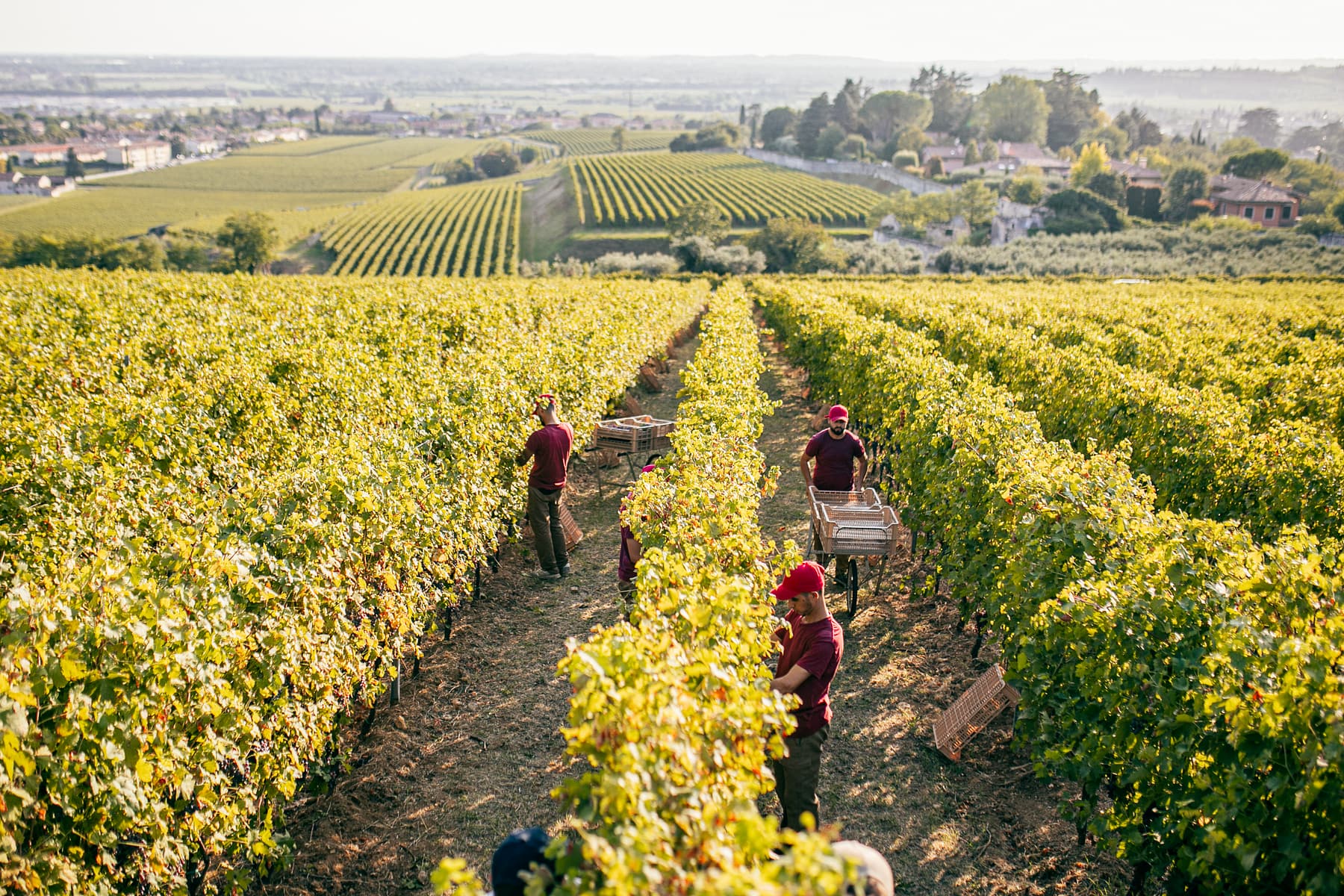
Harvest in the Brolo dei Poeti
The walled brolo, the protected vineyard
Enclosed since the 16th century and conceived from the outset for the production of fine wines, the Brolo retains an identity reminiscent of the Clos of Burgundy. Its walled vineyard, created between the 1500s and the 1700s to protect extraordinary vineyard parcels still in production today, stands as one of Italy’s rarest and oldest examples of a complete, enclosed winegrowing landscape. The long wall that surrounds it, parts of which date back to the 16th century, was built to preserve the valley’s finest parcels; and to this day, the vineyard is entered through iron gates that affirm its secluded, intimate, almost initiatory character.
The Brolo also incorporates a stretch of woodland, recreating in protected form the ecosystem of Valpolicella. In this balance of vine, forest, water, and rural architecture, one recognizes not merely a productive design, but a true idea of landscape, wisely ordered and faithfully preserved over time.
Guyot-trained vineyards in the upper part of the Brolo
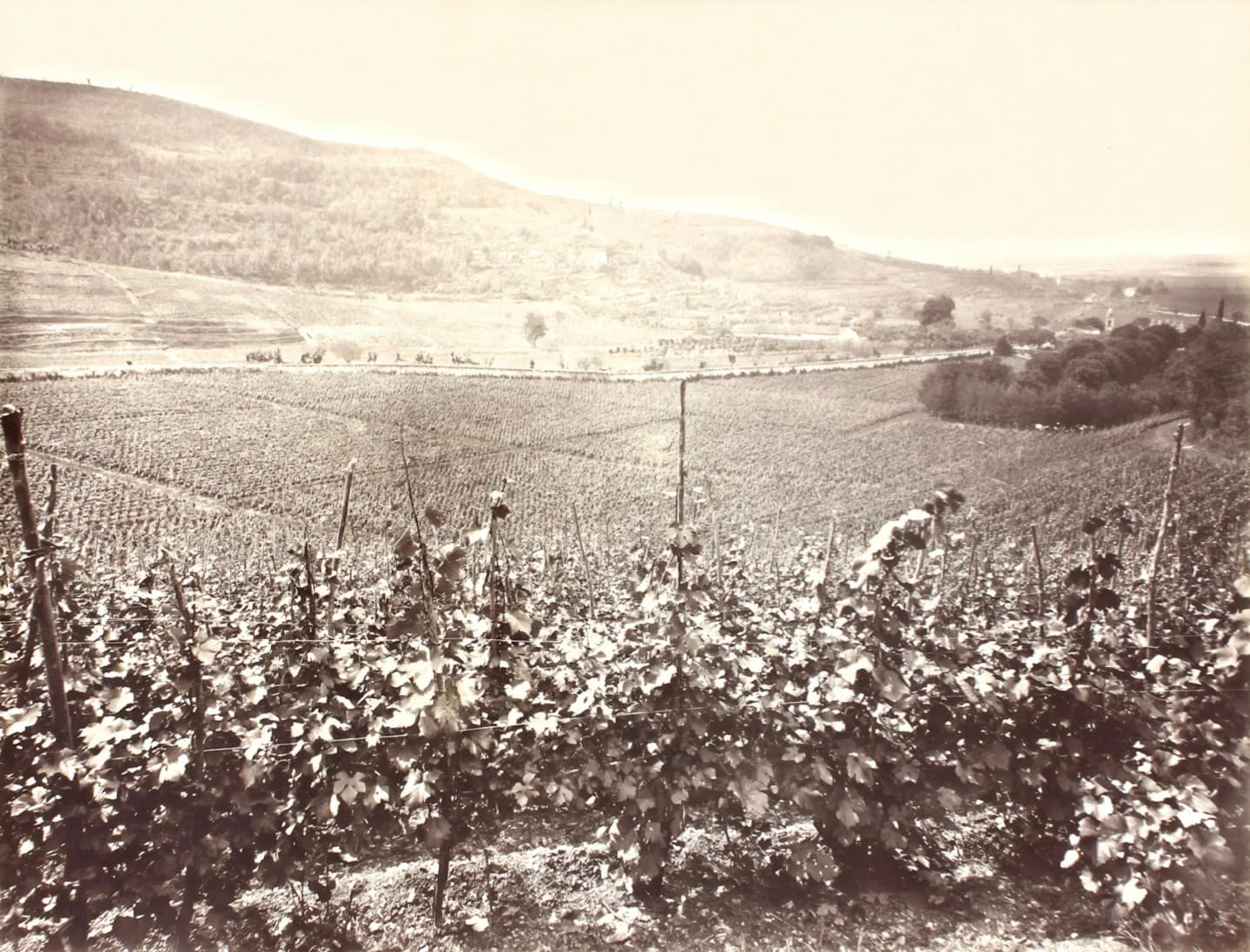
Guyot-trained vineyards in the lower part of the Brolo
Soil, varietal heritage, and agronomic vision
On this marl-limestone soil, bright and well-ventilated, the vineyard expresses an ancient and irreproducible vocation. It is dedicated to the cultivation of a proprietary Corvina clone and massal selections of other native Veronese varietes, including rare ones: a genetic and cultural patrimony patiently preserved and handed down as a living legacy.
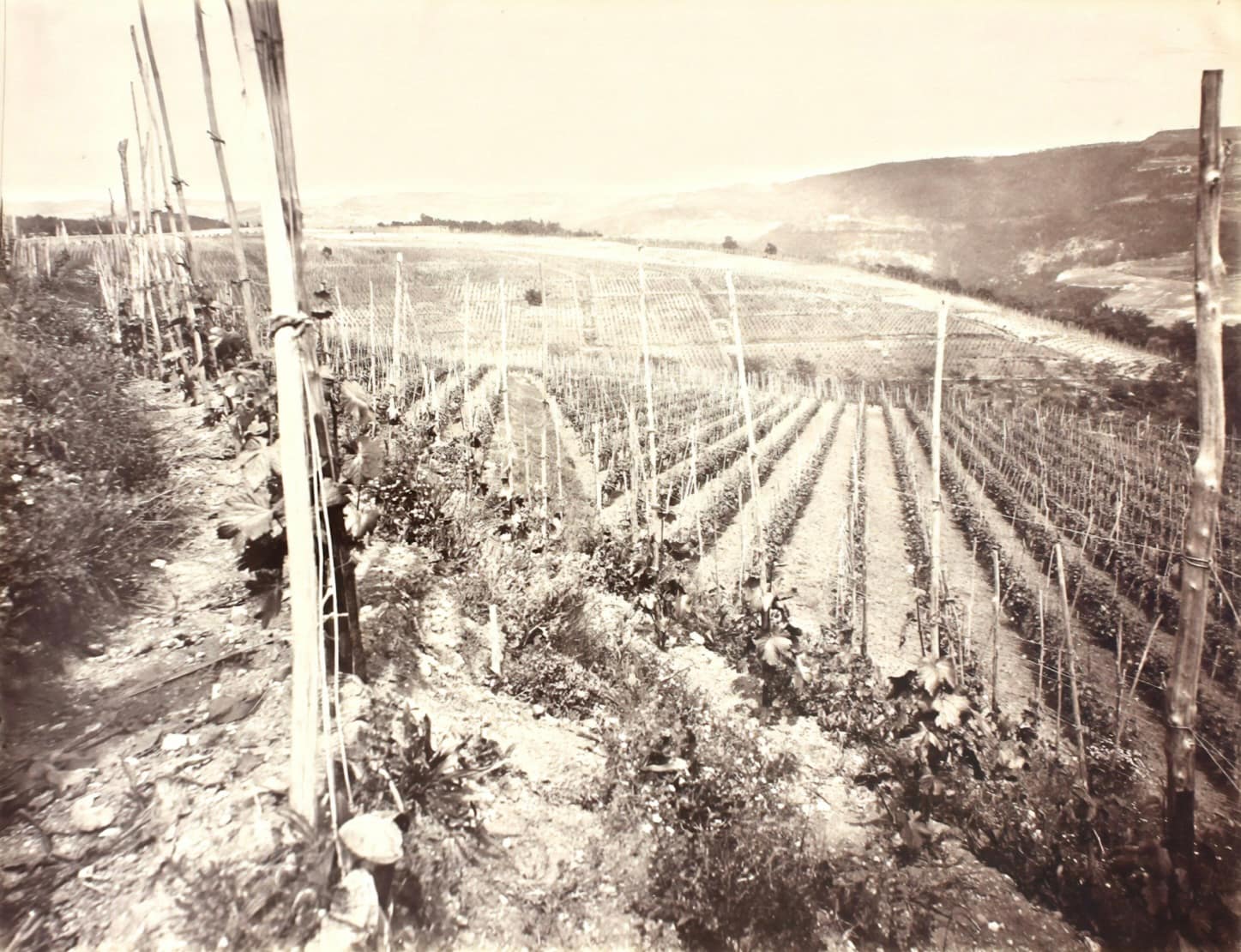
Brolo dei Poeti is also one of Italy’s oldest crus, so much so that in the 19th century it became the subject of an agronomic report by the Academy of Sciences and Agriculture of Verona, illustrated by the celebrated photographer Lotze: a precious testimony confirming the historical, landscape, and viticultural singularity of this place.
As in the great vineyards of Burgundy and Bordeaux, and as documented both in the agronomic report and in period photographs, the vineyard was converted to high-density planting as early as around 1880, abandoning the obsolete Veronese pergola in favor of the Guyot system, formalized by the renowned French agronomist in 1860. It was a remarkably modern decision, revealing the technical clarity with which this cru was interpreted, while outside the Brolo vineyards continued to be cultivated at low density for less prestigious wines.
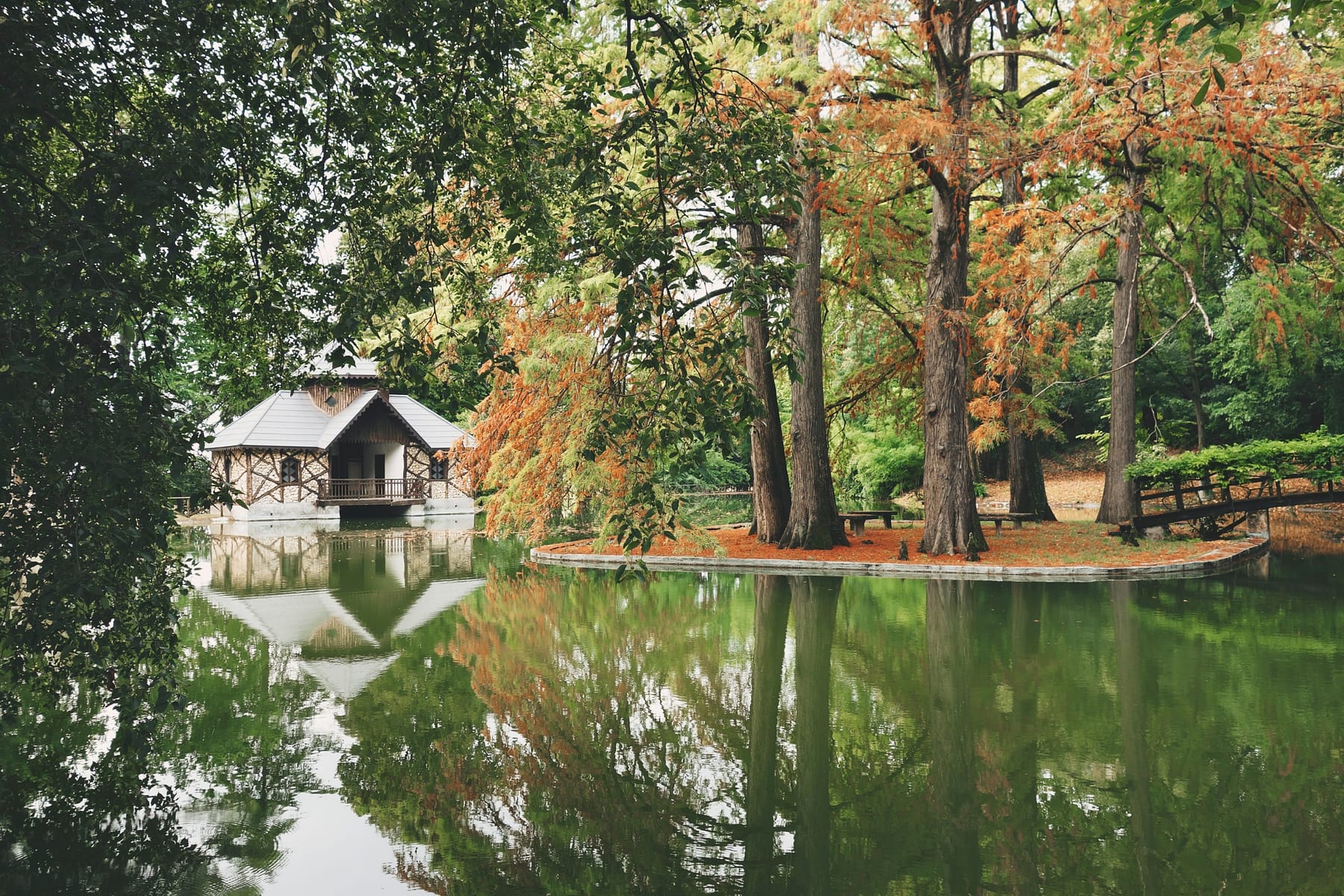
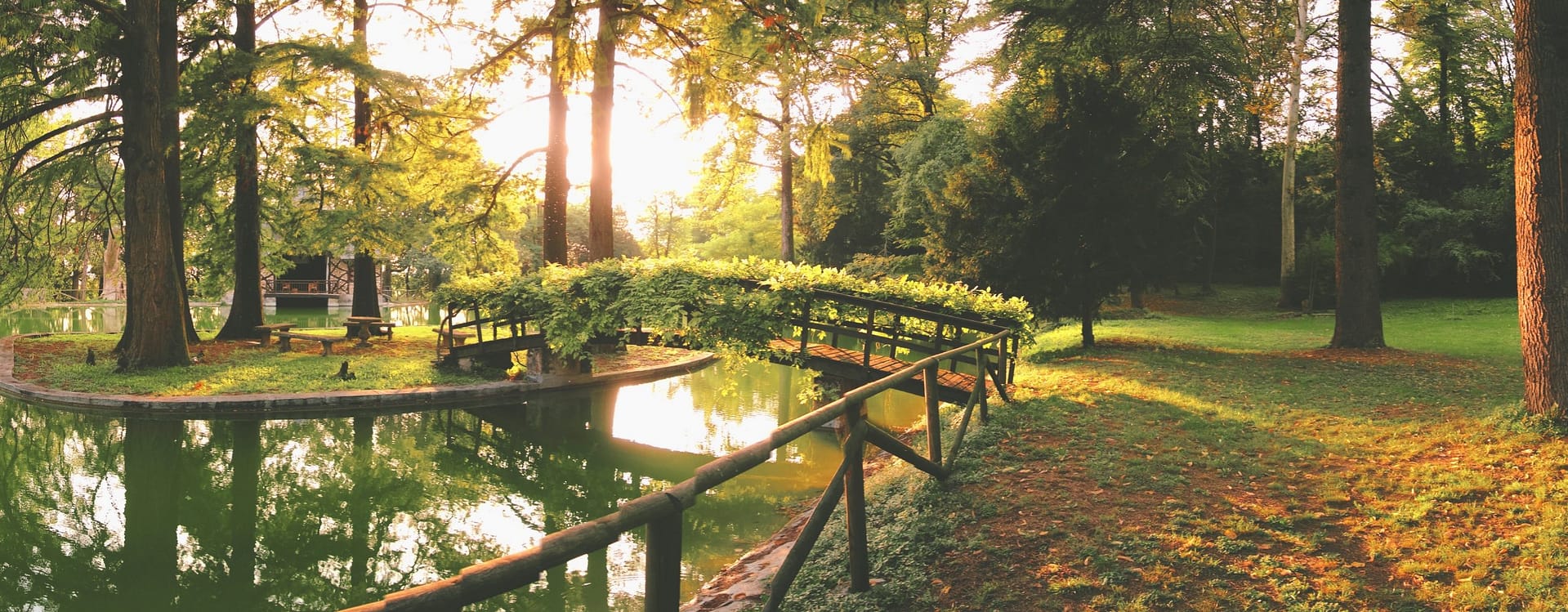
Lake at the center of Brolo dei Poeti
Water and the architecture of fertility
In the design of the Brolo, the waters of three Roman-era springs were skillfully integrated and channeled through handcrafted stone runnels. These feed the central pond and, at the same time, are distributed in such a way as to support the vineyard during particularly arid seasons. In this hydraulic system, too, the site’s deep intelligence becomes evident: an aesthetic, agronomic, and territorial measure in which beauty is never divorced from function.
The park, poetry, and a culture of beauty
Over time, a true civilization of wine and beauty gathered around this place. The elegant neoclassical cellar, conceived during the 18th-century expansion with ample spaces devoted to vinification and aging, and centered around the magnificent frescoed Salone delle Muse, became the setting for a literary salon frequented by Ippolito Pindemonte and other intellectuals. It was Pindemonte himself who celebrated this vineyard; and even today the estate preserves his memory through the verse, “These hills are dear to Bacchus,” which stands as the symbolic seal of the estate’s narrative.
At the center of the Brolo, an English landscape park of singular charm was also created, adorned with exotic tree species, a pond shaped like Lake Garda, and a coffee house inspired by the Black Forest. The park was inspired by Ippolito Pindemonte, according to sensibilities traceable to Francis Bacon, and made of this place a space in which nature, thought, landscape, and poetry are joined in a single harmony. In all likelihood, Ugo Foscolo too was a guest here, bound to Pindemonte by ties of friendship and intellectual affinity.
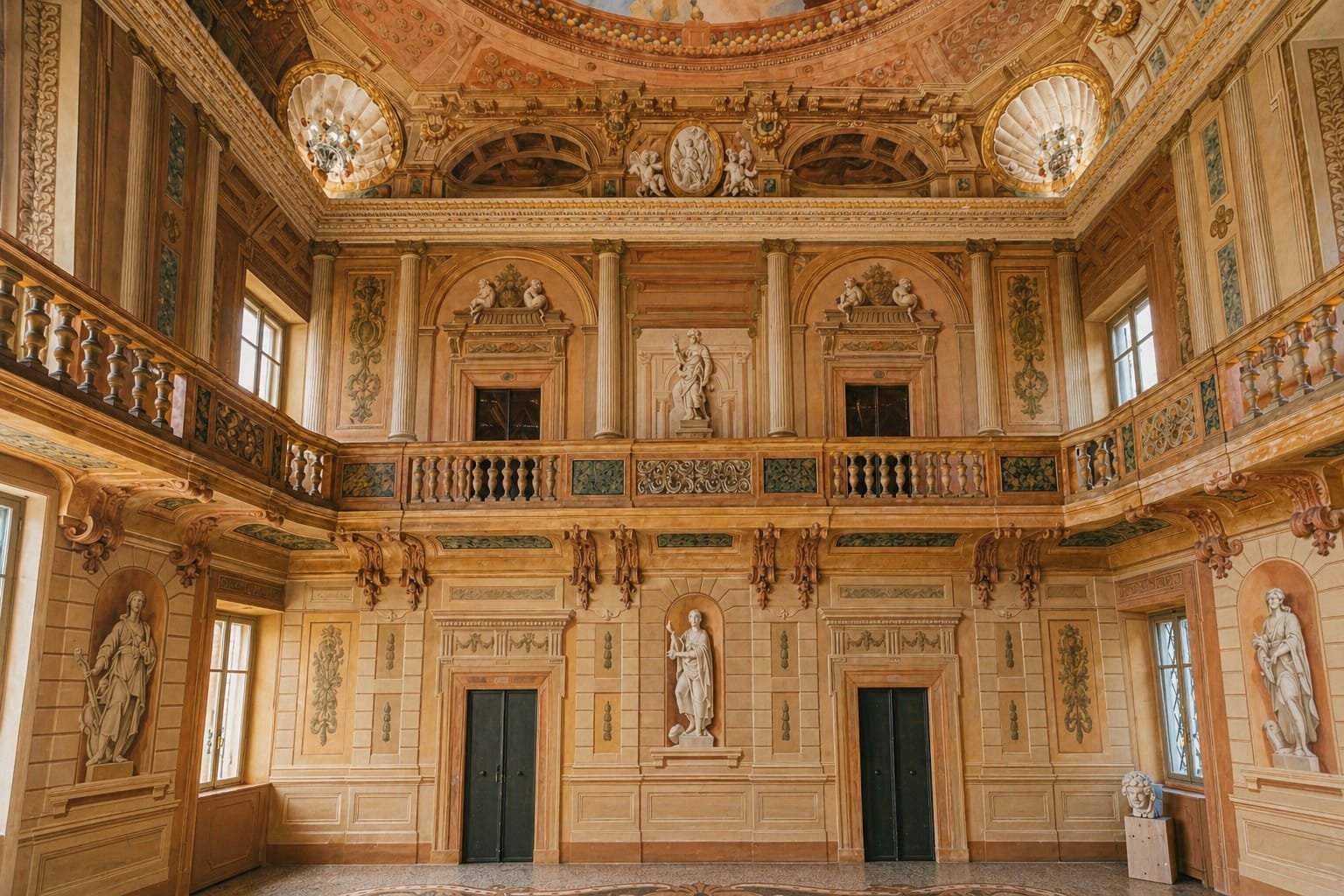
Room of the Muses
The birth of the Cru
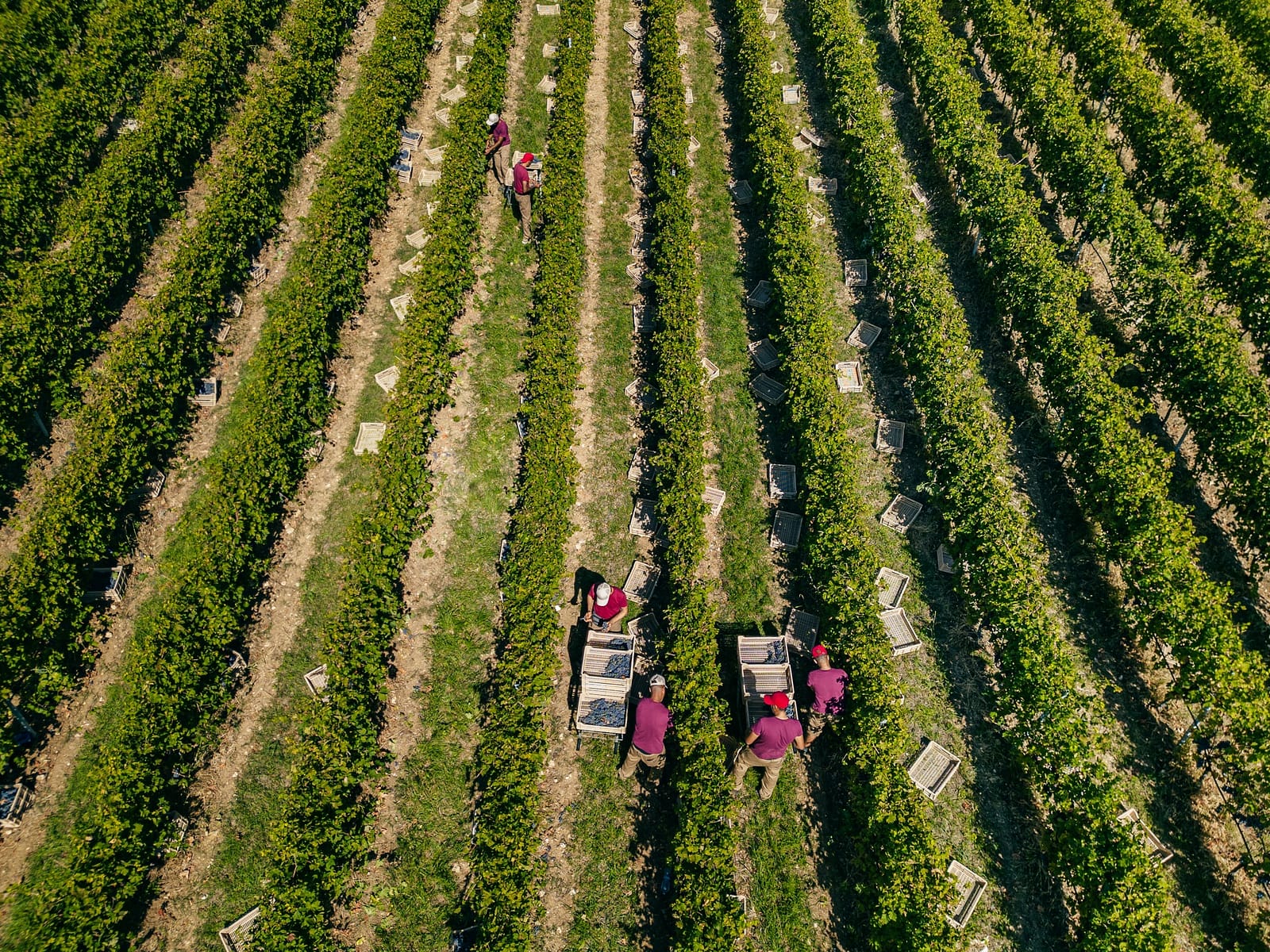
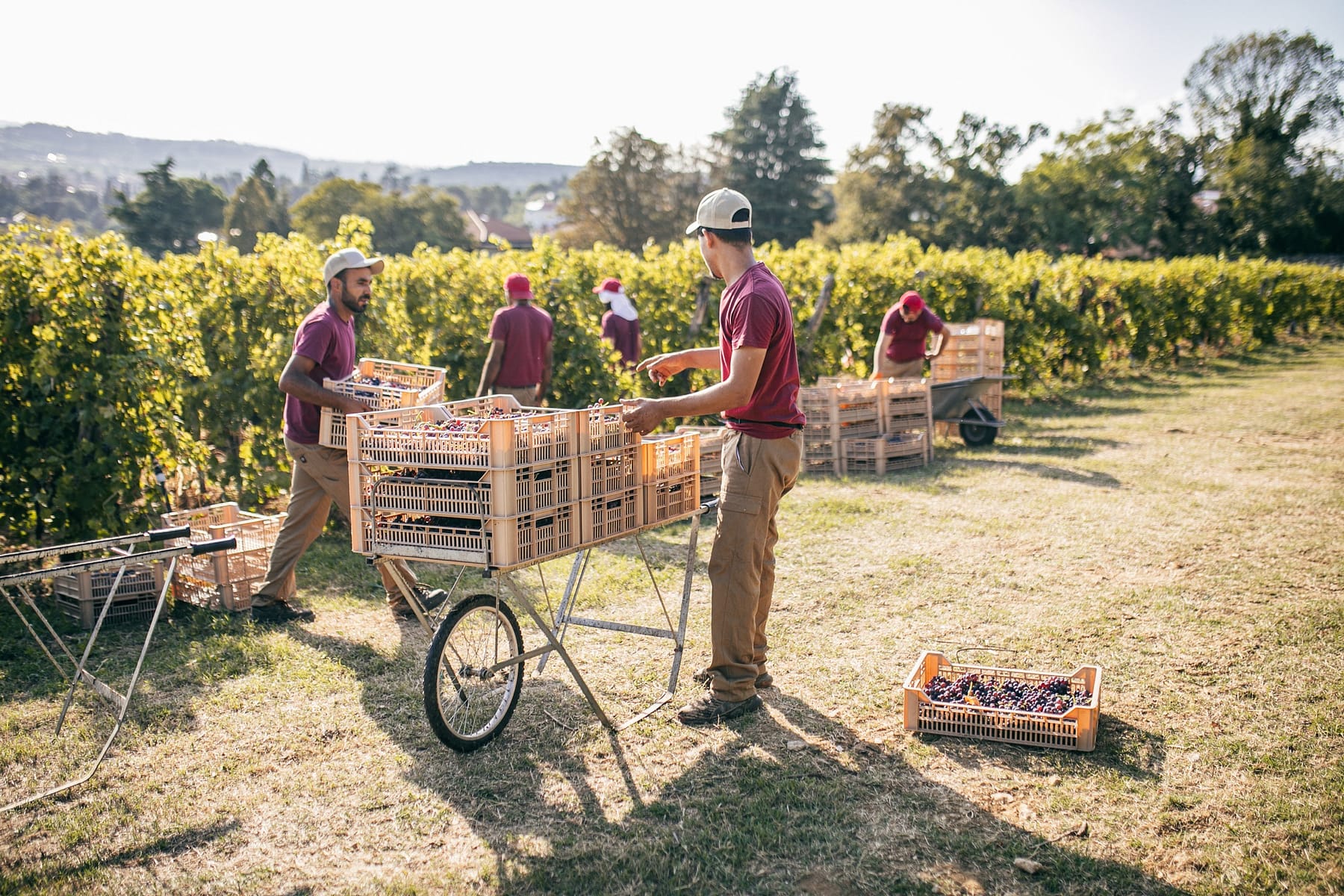
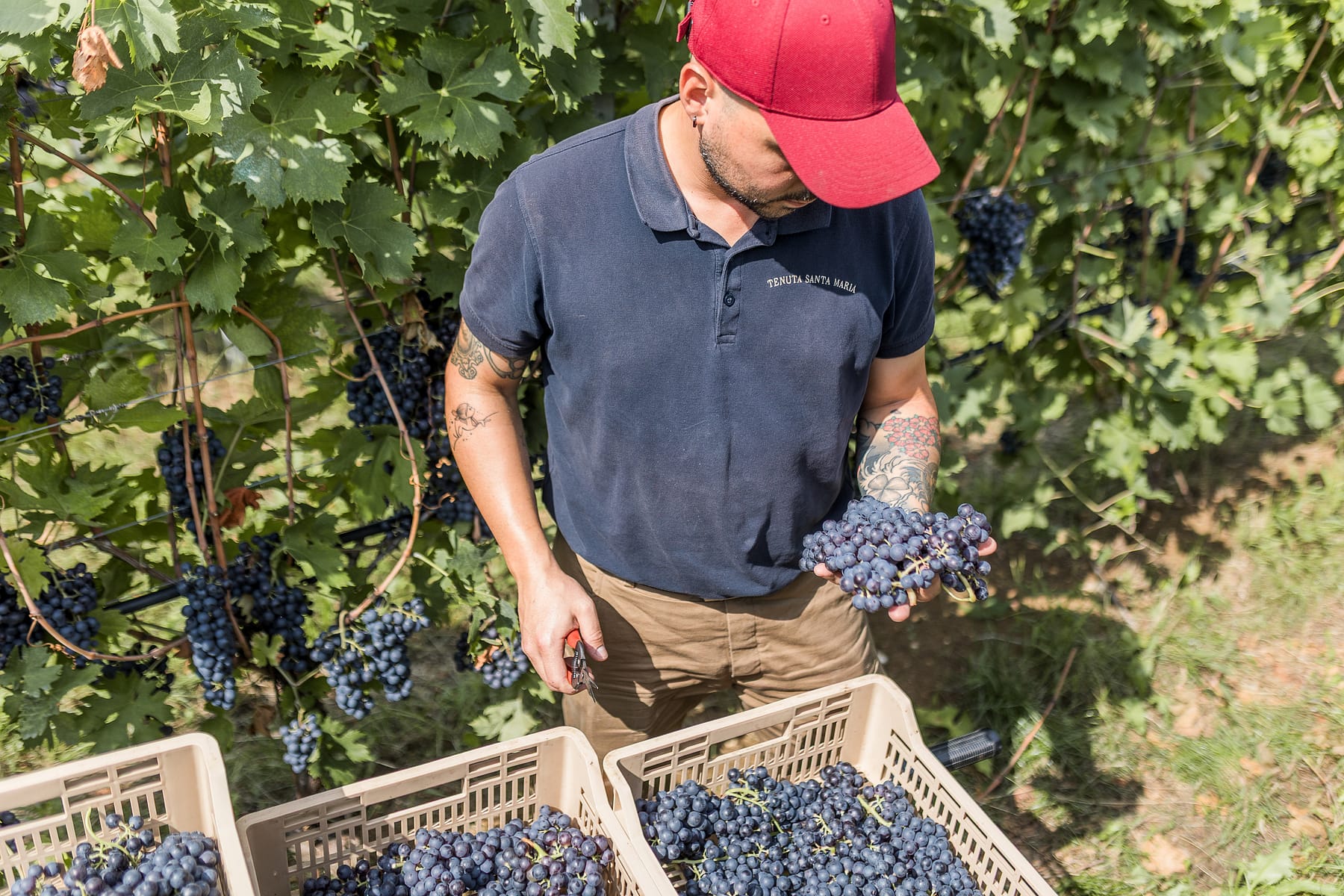
The first vintage of this Cru was 2007, followed by the 2010 vintage. Since then, Brolo dei Poeti has been made only in exceptional vintages, from a selection of the highest-altitude sections and the finest parcels of the Brolo, in an exceedingly limited production. Every bottle is individually numbered.
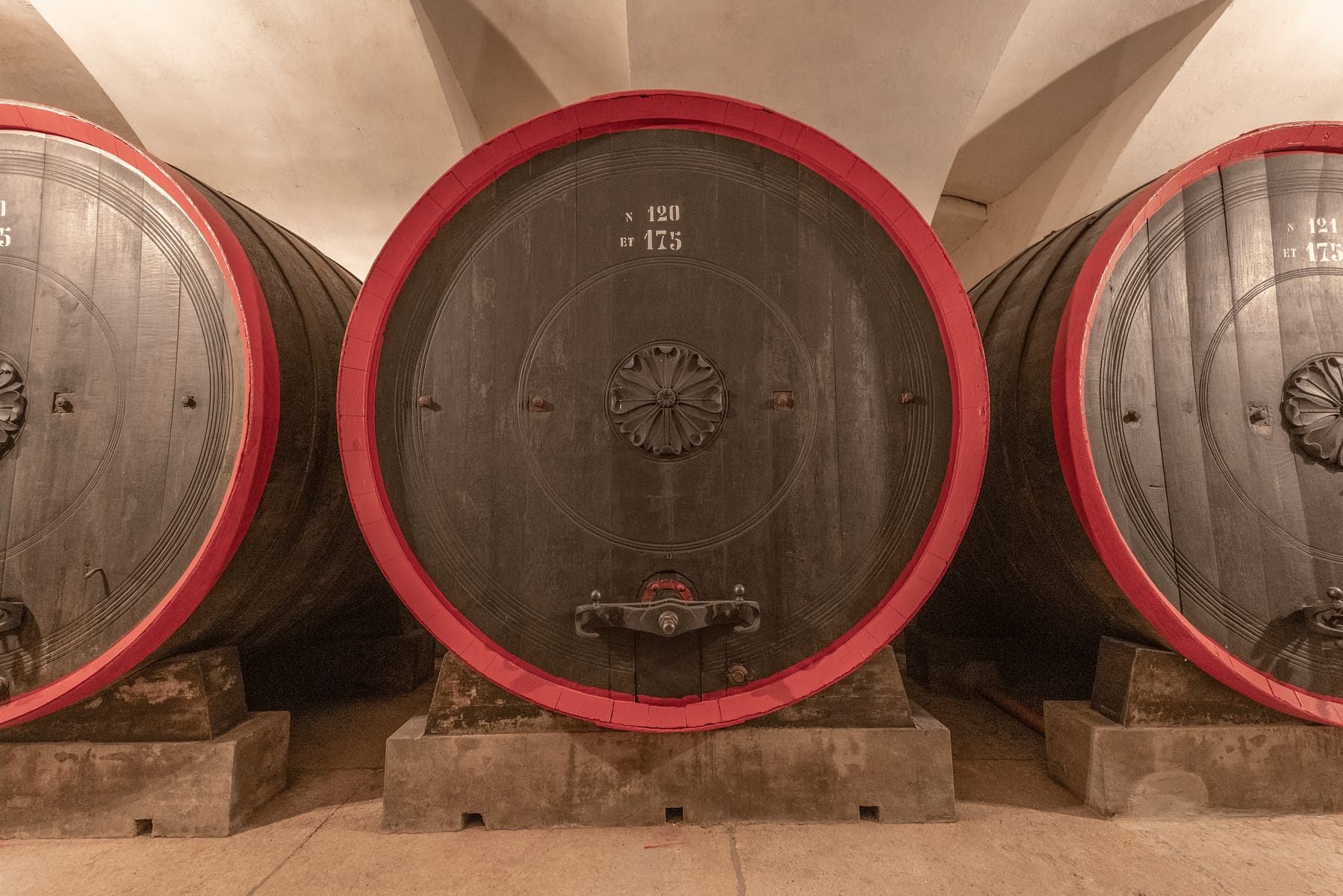
Historic cellars from the beginning of the 19th century
Historic barrel cellar from the early 1800s
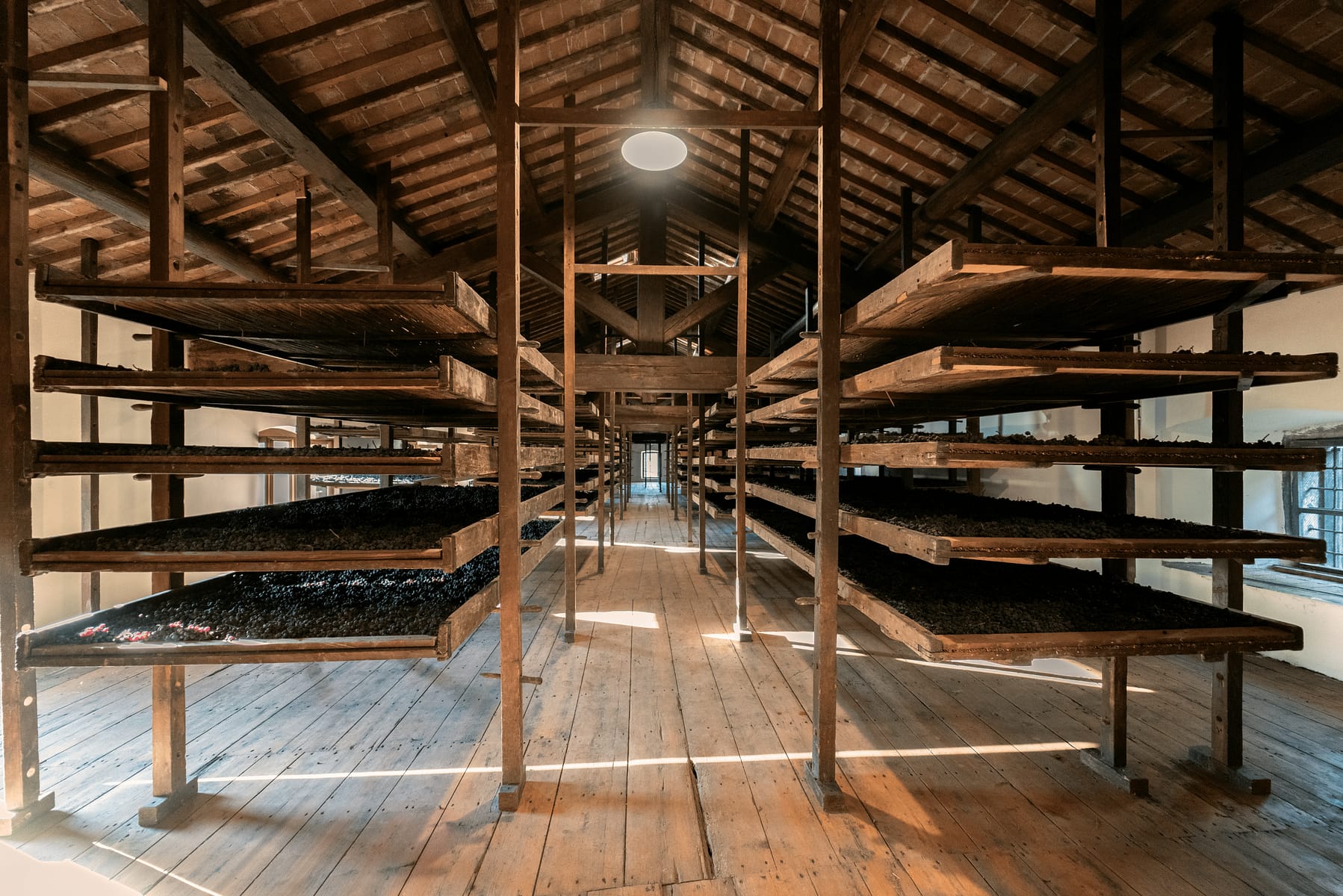
Arelle for the drying
Winemaking as discipline
Winemaking follows a logic of absolute precision: the grape varieties are fermented separately, in micro-lots, before blending. Drying takes place on arelle racks in the estate’s ancient fruttaio, according to a natural rhythm entrusted to air, time, and experience. It is Valpolicella’s most defining ritual, now at the heart of the Italian UNESCO national candidacy, “The ritual of laying Valpolicella grapes to rest”
Aging and the shape of time
Aging unfolds over fourteen years in large oak casks, and then continues in bottle. It is here that the wine finds its rarest signature: a slow, composed, profound elegance, radically different from that of Amarones from the same vintage aged predominantly in bottle. Not power on display, but disciplined power; not opulence, but form.
Origin, time, style
Brolo dei Poeti is a Riserva of origin, time, and style.
An Amarone in which the highest expression of Valpolicella becomes memory, measure, and light.
In the glass
In the glass, Brolo dei Poeti reveals itself in a deep, intense garnet red. The bouquet opens with warm spices and preserved fruit, where clove, cinnamon, cocoa, and roasted coffee come together in a rich yet composed weave. On the palate it is supple, elegant, and expansive, sustained by velvety tannins and a texture that recalls tobacco, cocoa, nutmeg, and once again sweet spices. The finish lingers on notes of raisin and spirit-soaked cherry, supported by a subtle fresh, mineral vein that heightens both its persistence and its nobility.
The final seal
Brolo dei Poeti is a registered trademark of Tenuta Santa Maria Eredi di Gaetano Bertani.
Amarone Classico Brolo dei Poeti is presented in a finely crafted single-bottle case or a three-bottle case, and wrapped in tissue paper reproducing the ancient vineyard parcels in a shade of blue inspired by the sky in the frescoes of the Salone delle Muse.
An Amarone Classico Riserva typically shows a deep red colour tending towards garnet with age, aromas of dried fruit, and a palate that is full, velvety, and warm. The minimum alcohol level required is 14% vol.
Because appassimento defines the very identity of Amarone. During the resting period in the fruttaio, sugars and polyphenols become concentrated, shaping the wine’s structure, intensity, and longevity.
Amarone is made through the appassimento of the grapes in traditional fruttai. The grapes typically rest for around 100 to 120 days, followed by winter vinification, slow fermentation, and extended ageing.
In the case of Amarone della Valpolicella Riserva, the term Riserva indicates a wine that undergoes a minimum ageing period of four years before release, as defined by the production regulations.
In Amarone, the term Classico refers to the historic zone of Valpolicella, traditionally identified with the original communes of the denomination, including Negrar di Valpolicella.
The essential difference lies in origin and ageing. Classico refers to provenance from the historic heart of Valpolicella, while Riserva denotes a wine subject to a longer minimum ageing period, as established by the appellation rules.
An Amarone Classico Riserva is an Amarone della Valpolicella DOCG produced within the historic Classico zone of the appellation and designated Riserva when it meets the requirements of the production regulations, including a minimum ageing period of at least four years, calculated from 1 November of the harvest year.
Today, Amarone Classico Riserva Brolo dei Poeti is preserved by the Bertani family, with Giovanni and Guglielmo continuing the estate’s winemaking legacy with artisanal care and fidelity to its vision.
The wine recalls the cultural history of the estate, its neoclassical cellar, and the Salone delle Muse, in a context linked to the memory of Ippolito Pindemonte and the literary salon once held at the property.
According to estate records, each bottle is individually numbered, underscoring the wine’s rarity and extremely limited production.
Its defining signature lies in an elegance that is more composed, profound, and finely chiselled than that of Amarones from the same vintage aged predominantly in bottle.
According to the estate, the wine may age for up to fourteen years in cask, before continuing its evolution in bottle.
It is crafted through microvinifications, allowing the identity of each parcel to be preserved with the utmost precision before the final blend is composed.
Because it is the stage that concentrates matter, depth, and elegance. In the case of Brolo dei Poeti, this ritual is also tied to the Valpolicella tradition now evoked by the national UNESCO candidacy dedicated to the laying to rest of Valpolicella grapes.
According to the estate’s chronology, the first vintage was 2007, followed by 2010.
No. Amarone Classico Riserva Brolo dei Poeti is produced only in vintages deemed worthy of it, and always in exceptionally limited quantities.
Because it comes from a place that is enclosed, historic, and singular: a walled brolo, immediately recognisable and profoundly suited to fine viticulture, with the defining character of a great enclosed cru.
Amarone Classico Riserva Brolo dei Poeti is an exceptionally rare wine from Tenuta Santa Maria, born of the finest parcels of the historic Brolo in Novare, Arbizzano di Negrar, in the heart of Valpolicella Classica. It is presented by the estate as a Riserva of historic origin and highest selection.